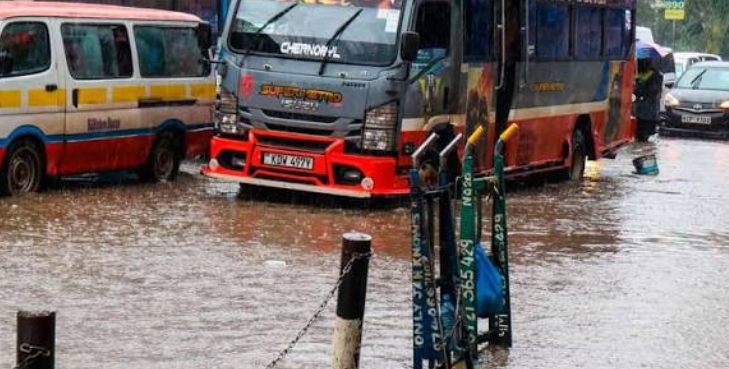
20 Counties on Alert as Kenya Prepares for Heavy Short Rains

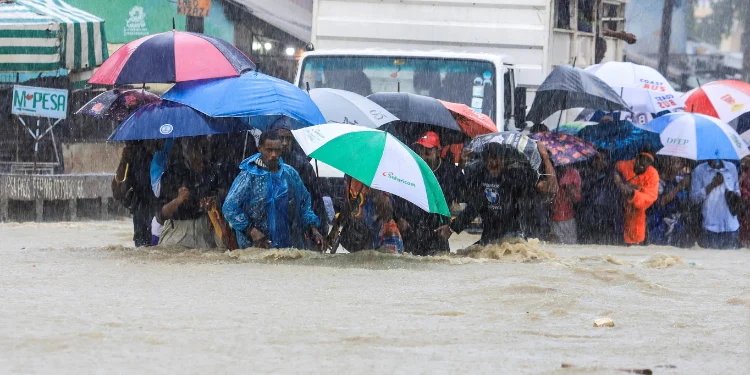
At least 20 counties across Kenya could begin experiencing rainfall as early as September, according to the latest climate outlook for the October-December 2026 short rains season issued by the Kenya Meteorological Service.
The forecast has raised concerns over the potential impact of enhanced rainfall, with the National Disaster Operations Center (NDOC) estimating that about 1 million people could be affected during the season.
According to the risk assessment, approximately 500,000 people could potentially be displaced by flooding, while another 450,000 people could be exposed to mudslides and landslides.
The Kenya Meteorological Service says several counties are expected to experience an earlier onset of the rains, with rainfall potentially continuing through January 2027.
Among the counties expected to receive rainfall from September are Nandi, Kakamega, Vihiga, Bungoma, Siaya, Busia, Baringo, Nakuru, Trans Nzoia, Uasin Gishu, Elgeyo-Marakwet, West Pokot, Kisii, Nyamira, Kericho, Bomet, Kisumu, Homa Bay, Migori and Narok.
Other parts of the country are expected to experience the onset of the short rains later.
Counties including Nyandarua, Laikipia, Nyeri, Kirinyaga, Murang’a, Kiambu, Meru, Embu, Tharaka-Nithi and Nairobi are forecast to begin receiving rainfall between the second and third weeks of October, with the rains expected to continue into January 2027.
Along the Coast, Mombasa, Kwale, Lamu, Kilifi and Tana River are expected to experience the onset of the rains around the first or second week of December 2026.
The rainfall forecast comes amid growing concern over the strengthening El Niño conditions, which meteorological officials say could contribute to enhanced rainfall in parts of the country.
The changing weather patterns are expected to bring both benefits and risks. Increased rainfall could improve water availability and support agricultural activities, particularly in areas that depend heavily on rain-fed farming.
However, excessive rainfall could also result in flooding, landslides and mudslides, particularly in areas already vulnerable to extreme weather events.
The NDOC has warned that the heavy rains could disrupt transportation networks and other essential services, while flooding could force thousands of families from their homes.
Authorities are therefore calling for early preparedness as the country approaches the rainfall season.
The government is expected to strengthen disaster response measures, identify areas at high risk of flooding and landslides, and prepare evacuation and emergency response plans where necessary.
The Ministry of Health is also seeking KSh3 billion to strengthen emergency preparedness and disease prevention measures during the rainfall season.
Health authorities are expected to remain particularly vigilant because heavy rains and flooding can increase the risk of waterborne diseases and other health emergencies.
With the possibility of an intense rainfall season, residents in flood-prone and landslide-prone areas are being urged to remain alert and follow official weather and safety advisories.
The latest forecast has also placed greater emphasis on the need for early preparation, with authorities warning that responding before disasters occur could help reduce loss of lives, displacement and damage to property and infrastructure.
As Kenya prepares for the October-December 2026 short rains, the focus will now shift to how effectively national and county governments can prepare communities for both the benefits and potential dangers associated with the expected rainfall.