
Starlink in Kenya: High Costs, Big Potential, and the Future of Internet Access

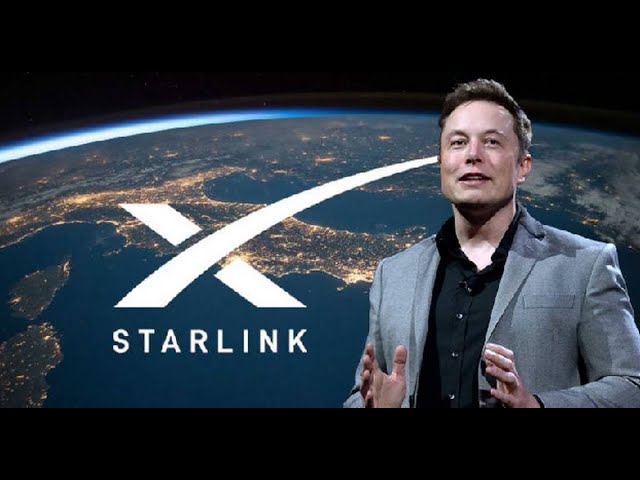
Satellite internet is no longer just an idea from science fiction — it’s here, and Starlink is leading the charge in Kenya. Backed by Elon Musk’s SpaceX, the service is already offering high-speed internet to households and businesses across the country. But while the technology is groundbreaking, its price tag is raising big questions about accessibility and adoption.
The Pros: Why Starlink is a Game-Changer
✅ Connectivity anywhere – Unlike fiber or mobile networks, Starlink beams internet directly from satellites, making it available even in the most remote areas.
✅ High-speed service – Early users report speeds competitive with fiber, meaning it can support streaming, gaming, and work-from-home setups.
✅ Reliability – In areas with poor mobile coverage or unstable networks, Starlink offers a much-needed alternative.
✅ Pressure on local ISPs – Its presence forces traditional providers to rethink pricing, expand coverage, and improve service quality.
The Cons: The Cost Barrier
❌ High subscription fees – Monthly costs remain significantly higher than what fiber customers pay in Nairobi or Mombasa.
❌ Expensive equipment – The upfront hardware investment (dish + router) is out of reach for many households.
❌ Urban vs. rural divide – In cities, where cheaper fiber exists, Starlink isn’t competitive. It only makes sense in underserved areas.
❌ Adoption limited to high-income users – For now, only businesses, institutions, or wealthier households can afford it.
The Future Outlook: Can Starlink Go Mainstream?
Starlink’s arrival has already disrupted Kenya’s internet landscape, and the long-term outlook depends on one thing: cost. If subscription fees and equipment prices drop — either through local partnerships, government incentives, or economies of scale — satellite internet could become a mainstream complement to fiber and mobile data.
For rural schools, farmers, and small businesses, that shift could be transformative. Universal access to high-speed internet would bridge the digital divide, bringing economic opportunities to areas that have long been left behind.
In short: Starlink may not replace fiber or mobile networks, but it could play a critical role in Kenya’s push toward universal connectivity. For now, it remains a premium product — but one with massive potential if affordability challenges are addressed.