Six Injured After Crude Weapons and Police Tear Gas Engulf PCEA Kariobangi North.


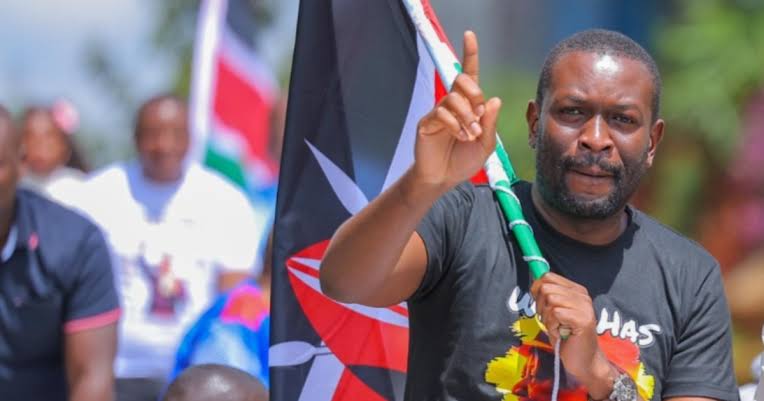
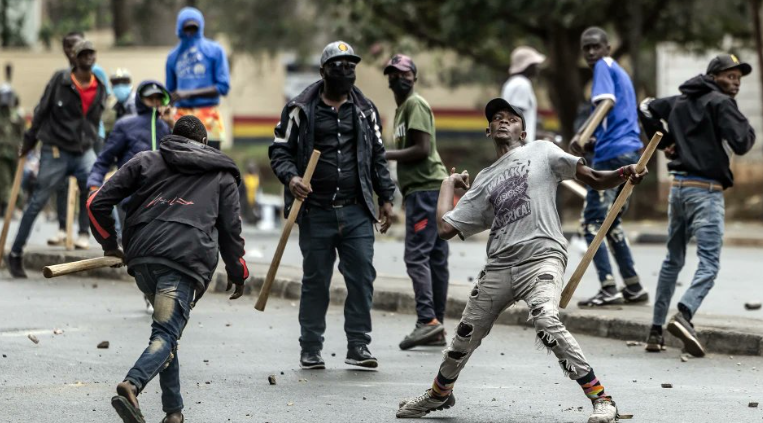
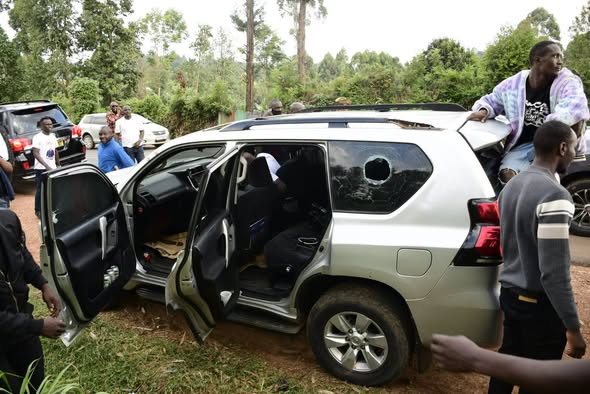
The sanctity of the church was shattered in Nairobi yesterday, not by an act of God, but by the ugly reality of Kenya’s venomous political atmosphere. A Sunday thanksgiving service at PCEA Kariobangi North—meant to celebrate a candidate’s by-election win for the Democracy for the Citizens Party (DCP)—descended into a terrifying melee involving armed youth, police firepower, and tear gas that wafted sickeningly into the congregation.
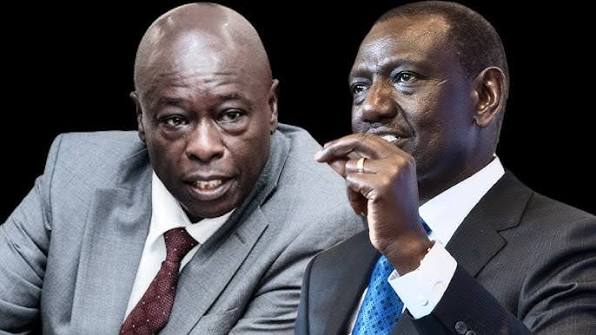
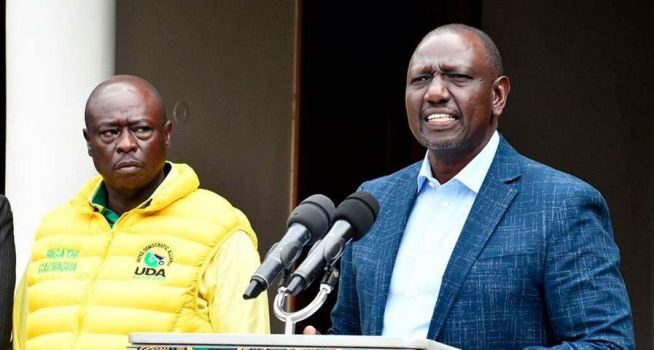
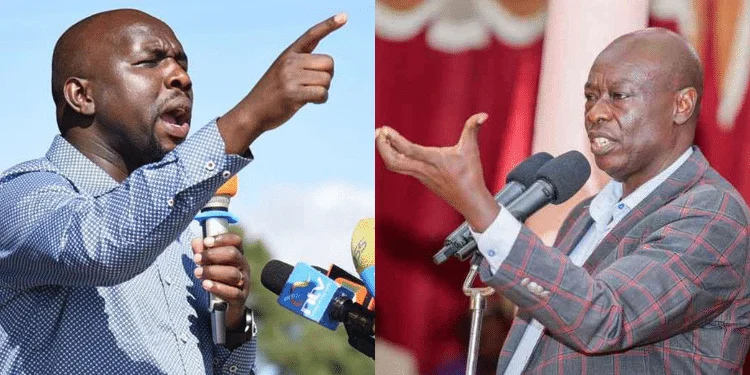
This was more than a mere scuffle; it was a brazen violation of a place of worship, an alarming escalation of the ongoing proxy war between the ruling government and the opposition. And right in the middle of it all was former Deputy President Rigathi Gachagua.
The narrative is instantly polarized. Gachagua, whose camp was celebrating the DCP victory (a clear defeat for the ruling party in the area), wasted no time pointing the finger directly at the presidency. He didn’t just blame local politicians; he accused President William Ruto of orchestrating the chaos, claiming it was an act of political retribution aimed at punishing voters for rejecting the ruling party’s candidate.
According to Gachagua, hired “goons” were deployed to disrupt the service, which culminated in police firing tear gas and warning shots to break up the rival groups wielding crude weapons. The result: six people were injured and required hospital care, their Sunday morning worship turned into an emergency trauma visit.
This is a profoundly dangerous claim. Alleging that the Head of State or his allies weaponize youth groups and the police to terrorize political opponents inside a church moves Kenyan politics from rough-and-tumble to outright intimidation and thuggery.
The National Police Service (NPS) issued a swift apology, acknowledging the “regrettable incident” and calling the clashes “planned and premeditated.” While an apology for sending fumes into a house of worship is the bare minimum, the police statement does nothing to address the core issue: the apparent willingness of political factions to use brute force to disrupt events attended by rivals.
The investigations promised by the police must not be allowed to die a quiet death. Was the response justified? Why was such a high-stakes political function being held at a religious site without adequate neutral security? And most importantly, who funded the youth groups that arrived with crude weapons?
This incident is a dark signpost on the road to the 2027 General Election. When a simple church thanksgiving requires police to fire live rounds and tear gas, it proves that the fight for political influence in Kenya has officially become a matter of life and death, even within the walls of a sanctuary. The question is no longer if violence will erupt, but where it will happen next.