
Shattered Promises: Shauri Moyo Affordable Housing Workers Cry Foul Over Unpaid Wages

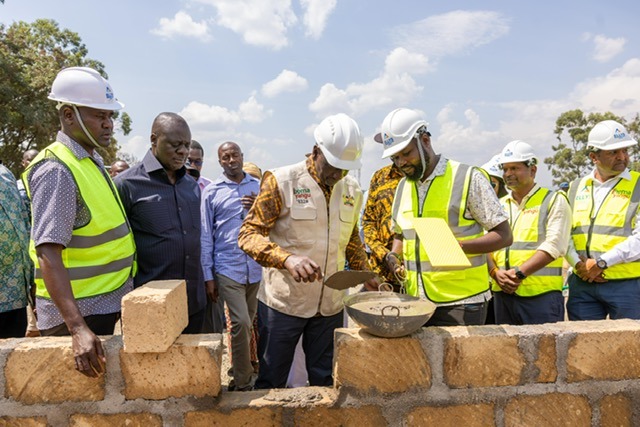
The gleaming promise of President William Ruto’s Affordable Housing Programme is facing a harsh reality check at the Shauri Moyo site in Nairobi. Dozens of workers, primarily Jua Kali artisans who are the backbone of the initiative, have come forward to sound the alarm over chronic wage delays and a crippling shortage of construction materials. Despite the project being touted as a “job-creating engine,” those on the ground say they are currently struggling to survive.
For many artisans, the financial strain has reached a breaking point. Workers who were promised weekly stipends report that they haven’t seen a cent in over two weeks, with some painters claiming they haven’t been paid at all since the project began. “We depend on daily work to survive,” lamented Musungi Nanyakha, a site artisan. “When pay delays, we can’t buy food or pay rent. Life becomes impossible.”
The crisis isn’t limited to empty pockets; the physical construction is also under threat. Workers report that essential materials have become scarce, forcing a slowdown in progress. While Payment Supervisor Daniel Macharia maintains that the delay is temporary and supplies are being sourced, site leaders like Peter Mwema tell a more desperate story. Mwema revealed that his children have been sent home from secondary school because he can no longer afford tuition fees due to the payment hitch.
This unrest comes at a politically sensitive time. President Ruto recently defended the controversial Housing Levy deductions, assuring Kenyans that the funds are being managed responsibly to power the Bottom-Up Economic Transformation Agenda. However, the scene at Shauri Moyo suggests a massive disconnect between high-level policy and ground-level implementation.
Labor unions have now waded into the fray, warning the State Department for Housing that failing to pay casual laborers could derail the entire project. “When workers are unpaid, construction halts and the dream of affordable housing becomes a nightmare,” a union representative cautioned.
As of today, January 30, 2026, workers are still waiting for the confirmation of payments promised earlier this week. The tension at the site is palpable, with many skilled artisans threatening to abandon the project entirely if their dues aren’t settled. If the government cannot meet its basic obligations to its workforce, one of its most celebrated initiatives risks becoming a cautionary tale of ambition overhanging execution.