Why UDA’s Regional Imbalance is a Red Flag for 2027

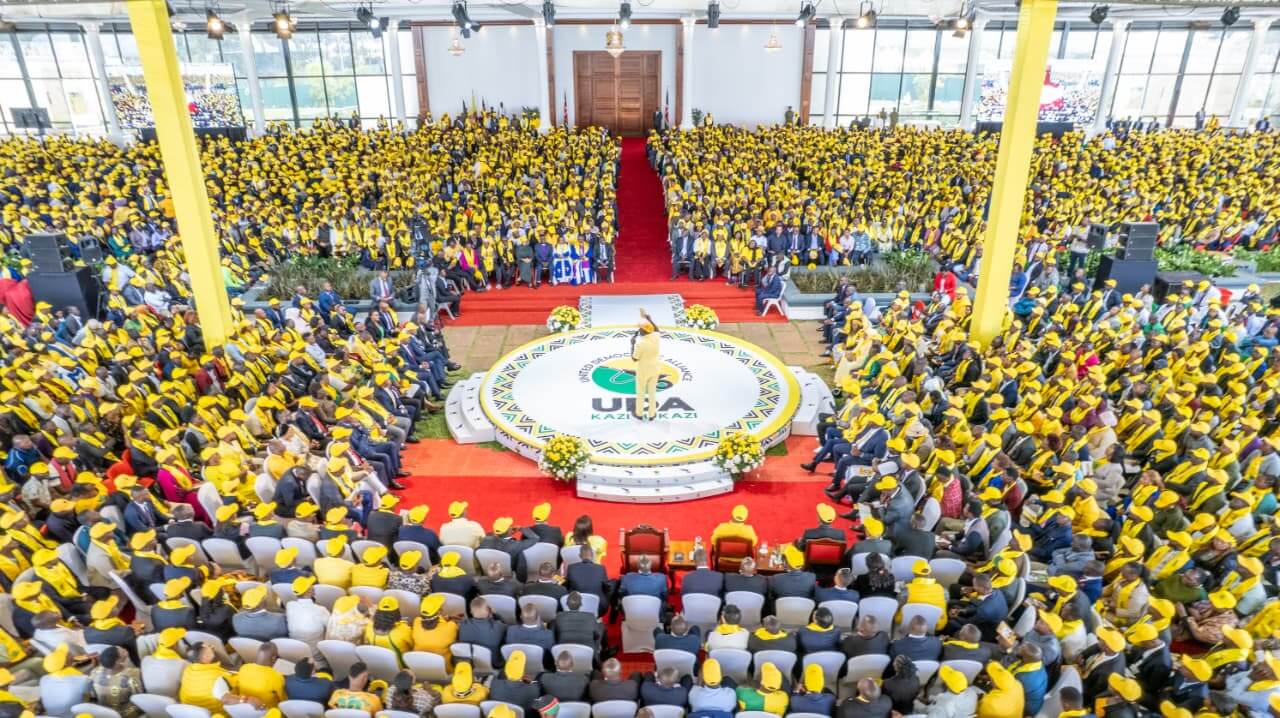
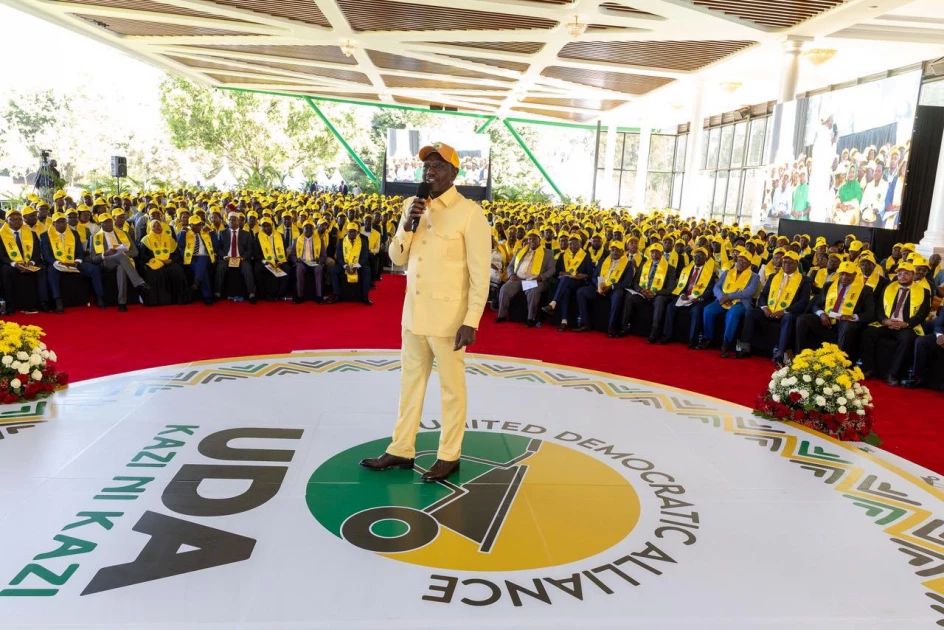
The United Democratic Alliance (UDA) is currently flexing its political muscles, but a closer look at the data suggests the “Yellow Wave” might be facing a regional identity crisis. This week, President William Ruto hosted a staggering 12,353 aspirants at State House, Nairobi, a move intended to project total national dominance ahead of the 2027 polls. However, beneath the sea of yellow lies a “damning truth” about the party’s shifting support base. While the party leadership celebrates a windfall of over KSh 31.8 million in registration fees, analysts are pointing to a worrying “Rift Valley-fication” of the party. The numbers reveal a sharp contrast between the President’s backyard and the rest of the country. In the 2022 elections, UDA was a behemoth with over 20,000 aspirants; today, that number has thinned by nearly 40%, raising questions about whether the “Hustler Nation” is losing its cross-regional appeal.
The statistics from the recent Aspirants’ Forum expose a “soft underbelly” in the ruling party’s national strategy. While Nairobi leads the pack with 968 aspirants, followed by Nakuru (691) and Nandi (628), other traditional strongholds are showing signs of political “ghosting.” The Rift Valley has seen a massive surge, accounting for over 50% of all gubernatorial aspirants and more than 4,000 MCA candidates. This concentration of ambition suggests the party is becoming increasingly localized around its core base.
In contrast, the Mt Kenya region is experiencing a notable chill. Despite delivering 3.5 million votes in 2022, the region currently accounts for only 21% of the party’s aspirants—a nearly 50% drop in interest compared to the last cycle. Even more shocking is the emergence of “Zero-Candidate Counties,” where strategic areas like Embu, Murang’a, and Busia registered no gubernatorial aspirants on the UDA ticket. While the party claims a “significant foothold” is growing in Homa Bay with 252 MCA aspirants, the overall trend points toward a thinning of the national fabric. This shift coincides with the rise of Rigathi Gachagua’s Democracy for the Citizens Party (DCP), which has started attracting disgruntled UDA bigwigs.
President Ruto has promised “free, fair, and credible” nominations, but his critics, including Trans Nzoia Governor George Natembeya, have slammed the use of State House as a “party headquarters.” Beyond the optics, UDA is building a massive, cell-based machine that aims to elect 20 officials at every polling center across Kenya—a logistical behemoth involving over 580,000 grassroots officials.
This isn’t just an internal election; it’s a mass recruitment drive. By embedding loyalists in every village, UDA is attempting to lock in its vote bank three years ahead of the main contest. However, managing the “bruised egos” of nearly 11,000 potential losers after the primaries remains the party’s biggest headache. If the party fails to handle the fallout of these nominations, the “illusion of numbers” could quickly turn into a mass exodus toward independent tickets or rival coalitions.