Safaricom’s Green Gamble: M-Gas Eyes $27M Windfall Following Koko’s Article 6 Exit

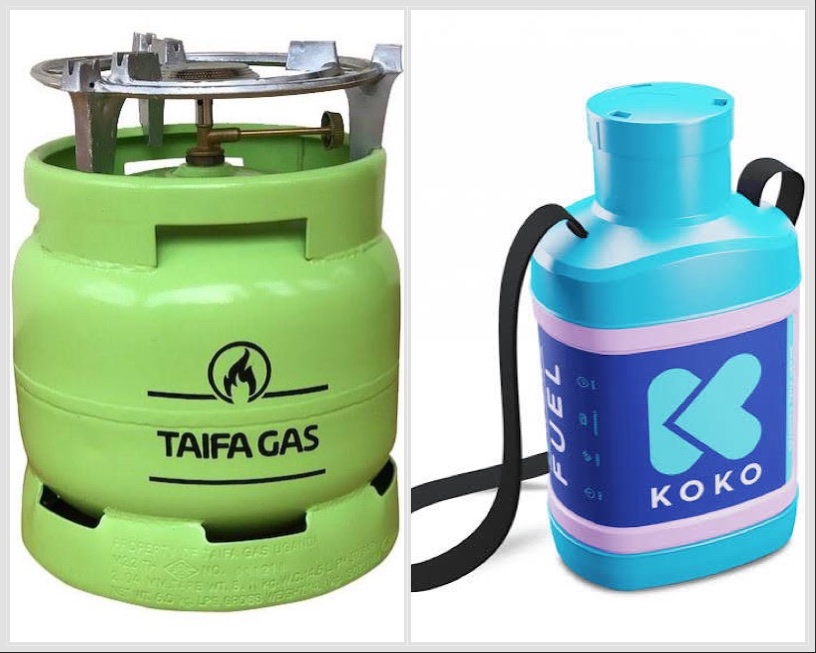
The Kenyan clean-cooking landscape was rocked on January 31, 2026, when Koko Networks—once the darling of “Silicon Savannah”—abruptly switched off its fuel ATMs. The collapse wasn’t triggered by a lack of customers, but by a regulatory “single point of failure.” Under the strict rules of Article 6 of the Paris Agreement, the Kenyan government declined to issue the necessary Letters of Authorization (LOAs) for Koko’s carbon credits. Officials argued that Koko’s ambitious request threatened to “mop up” Kenya’s entire national carbon allocation, potentially locking out other sectors like agriculture and manufacturing. The result? 700 employees jobless and 1.5 million households suddenly left without subsidized bioethanol.
As the dust settled on Koko’s administration filing, rival M-Gas, owned by Circle Gas, moved with lightning speed. Backed by an 18.96% stake from Safaricom, M-Gas secured preliminary government approval for its pay-as-you-go LPG carbon credits. The company is now eyeing a staggering $27 million (approx. KES 3.5 billion) in potential revenue. While M-Gas utilizes high-precision IoT smart meters to track gas usage—addressing the government’s transparency concerns—the timing has sparked a firestorm of “corporate favoritism” claims. Critics point to the state’s own 35% ownership of Safaricom as a possible reason why M-Gas found a regulatory “yes” where Koko found a “no.”
The government’s defense is rooted in the “Paris Agreement Paradox.” Every carbon credit sold internationally by a private firm must be deducted from Kenya’s own emission reduction targets (Nationally Determined Contributions). Trade Cabinet Secretary Lee Kinyanjui clarified that allowing one firm to claim the lion’s share of these credits would be an economic risk. By granting M-Gas a preliminary nod while keeping the door ajar for others, officials insist they are ensuring a competitive and diversified carbon market. However, for the millions of low-income Kenyans who relied on Koko’s cheaper ethanol, the technicalities of “carbon accounting” are cold comfort as they potentially revert to charcoal and kerosene.
The transition is now in high gear. While M-Gas scales its LPG infrastructure, other players like Taifa Gas are also prepping for a March 2026 launch to fill the massive supply gap. For M-Gas, the challenge will be proving its model is more sustainable than its predecessor’s. Unlike Koko, which relied heavily on carbon subsidies to lower fuel prices, M-Gas must balance its $24.2 million operating loss with the hope that these new carbon billions will finally turn the tide toward profitability. As we move deeper into 2026, the question remains: Can Kenya build a carbon market that rewards innovation without creating state-backed monopolies?