40 Years of Power, a “Modest” Family Home: The Kalonzo Musyoka Burial Debate

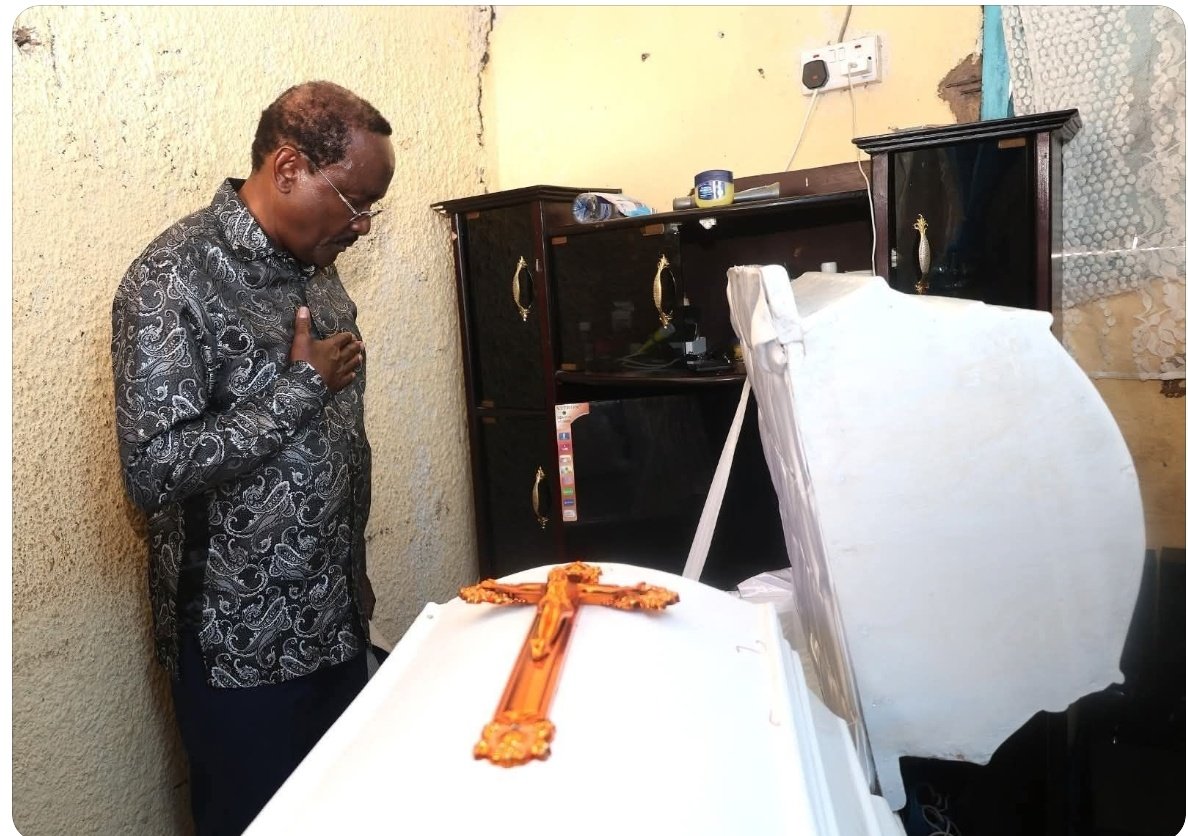
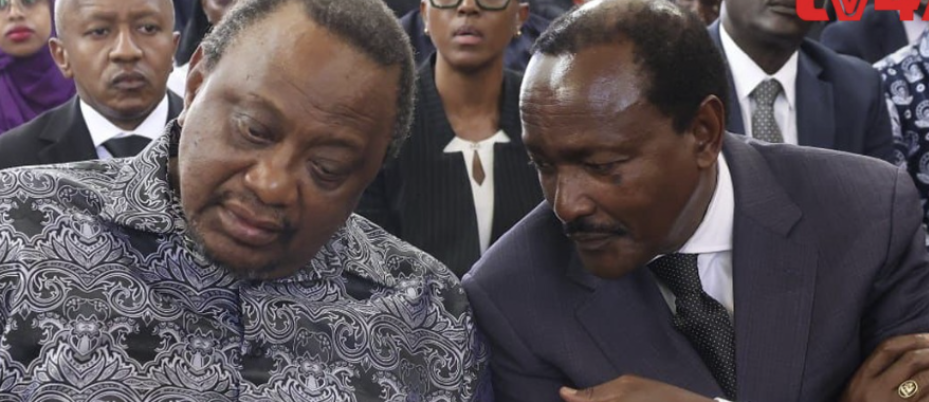
A somber moment in Kitui County has transformed into a high-stakes political debate following the burial of Kelvin ‘Meja’ Mwendwa Musyoka, the younger brother of former Vice President Kalonzo Musyoka, on Saturday, February 21, 2026. While the ceremony was meant to be a private family farewell, a viral photo showing the Wiper leader seated in a modest, humble homestead has ignited a fierce “home improvement” argument across social media. For many Kenyans, the contrast between the politician’s long-standing status and the simple family setting was impossible to ignore.
The online backlash was swift and stinging. Critics took to platforms like X (formerly Twitter) to point out that Kalonzo Musyoka has been in government for four decades, serving in top-tier positions including Vice President and several Cabinet roles. The argument? That a leader of his stature should have “uplifted” his immediate family’s living conditions and improved the local infrastructure, such as the dusty roads leading to the homestead.
“Kalonzo has been in Gov’t for 40 years. This is the house of his late brother. Seems Kalonzo is a selfish person naturally,” one viral post claimed, using the hashtag #KalonzoMustGo.
However, a strong wave of defenders quickly rose to the Wiper leader’s side, arguing that a politician’s public service shouldn’t be measured by the size of their siblings’ houses. Many pointed out that some family members value their independence and may even refuse financial help to maintain their dignity and quiet lifestyle.
“Some people are content with what they have,” one supporter argued. “You don’t understand people that refuse help from their well-off siblings. Politicians shouldn’t be judged by their relatives’ wealth.”
Others highlighted Kalonzo’s national legacy, such as his pivotal role in the Thika Superhighway project and his reputation for “diplomatic humility,” suggesting that his refusal to use public office to create a “dynastic” display of wealth is actually a mark of integrity.
As the 2027 elections loom, this debate underscores a growing trend in Kenyan politics: the scrutiny of a leader’s “personal ground.” Much like the recent “Kazi Kwanza” declaration by Githunguri MP Gathoni Wamuchomba, voters are increasingly asking whether a leader’s national influence translates into tangible changes at the doorstep. Whether this photo helps or hurts Kalonzo’s “Man of the People” image remains to be seen, but it has certainly forced a conversation on the expectations of leadership and the right to family privacy.