MacBook Neo Shakes Up the Kenyan Market with a $599 Price Tag

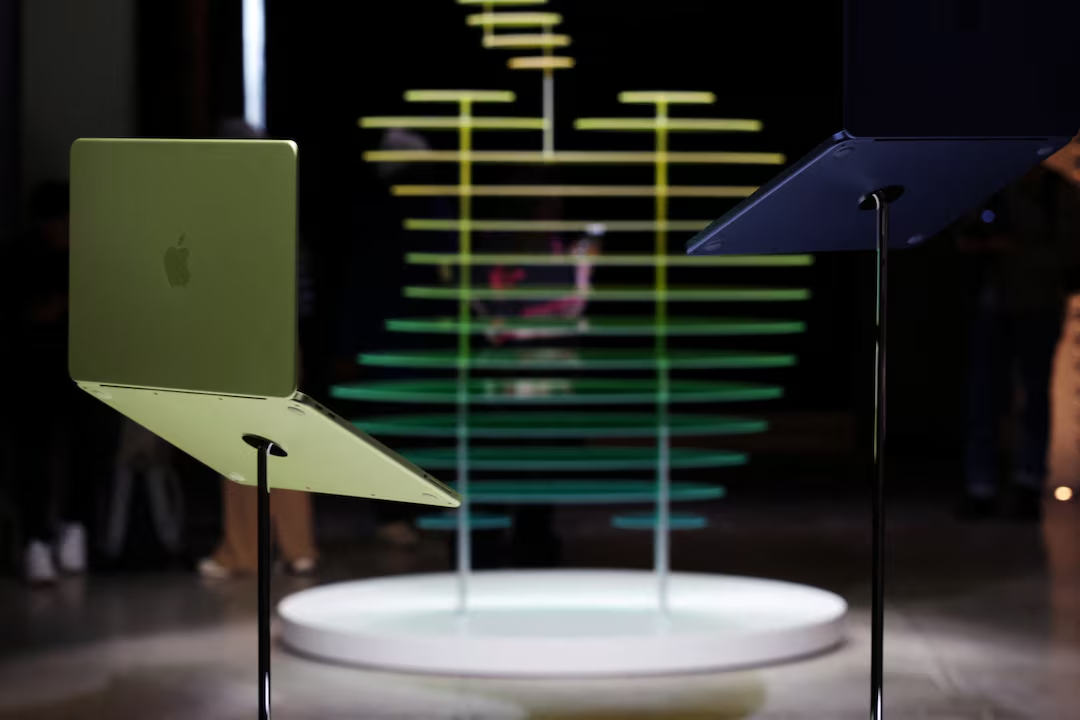
Apple has just pulled off a move that few expected: making a brand-new MacBook actually affordable for the average Kenyan. While we are used to seeing price tags north of KSh 150,000 for new releases, the newly unveiled MacBook Neo starts at a global price of $599. Locally, leading tech outlets are already listing pre-order prices starting from approximately KSh 77,000 to KSh 82,000, effectively putting it in direct competition with high-end smartphones and mid-range Windows laptops.

What makes the Neo special for the local market is the “iPhone-brain” under the hood. For the first time, Apple is using the A18 Pro chip (the same power-efficient monster from the iPhone 16 Pro) in a laptop. This translates to a fanless, completely silent machine that doesn’t heat up—a major plus if you’re working from a hot office or a cafe in CBD. Despite the budget price, you’re still getting a premium aluminum build, a 13-inch Liquid Retina display, and a 1080p FaceTime camera, making it perfect for the growing community of remote workers and students in Kenya.
However, there are a few “budget” trade-offs to keep in mind. The base model comes with 8GB of RAM and 256GB of storage, and notably, it lacks Touch ID (the fingerprint sensor is reserved for the 512GB model). It also ships with a 20W charger, which is a bit slower than the fast chargers we see with the MacBook Air or Pro. But with a promised 16 hours of battery life, this laptop is built to survive a full day of classes at UoN or a long shift at a co-working space without needing to hunt for a power socket.
For students, the deal gets even sweeter. Apple’s education pricing brings the global price down to $499, which could see student-specific deals in Kenya landing near the KSh 65,000 mark through authorized resellers. Available in fresh colors like Indigo, Blush, Citrus, and Silver, the MacBook Neo isn’t just a “cheap” Mac—it’s a stylish, capable entry point into the ecosystem that is likely to become a common sight in Nairobi’s tech hubs by mid-March 2026.