Ruto Promises Lasting Security in Northern Kenya as Development Drive Accelerates


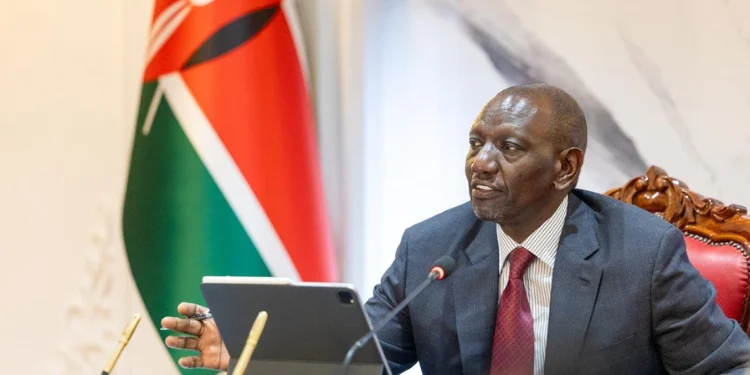
President William Ruto has pledged to deliver lasting peace and security in Northern Kenya, saying his administration has significantly increased security deployment across the region to address decades of instability that have hindered development and economic growth.
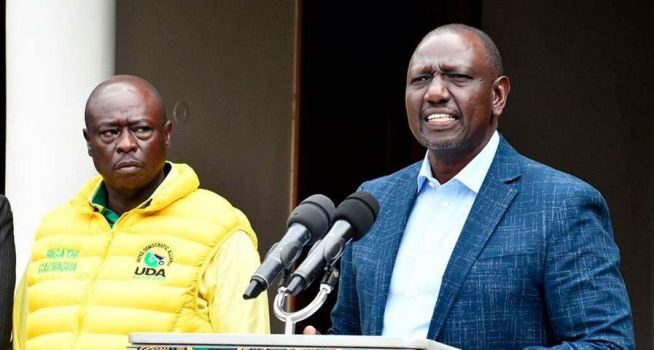
Speaking during the third day of his tour of the North Eastern region, the President said the government is implementing a comprehensive strategy that combines enhanced security operations with major infrastructure projects aimed at transforming the region and unlocking its economic potential. According to Ruto, the strengthened security presence is already helping to restore stability in areas that have historically faced challenges related to banditry, cross-border crime, and insecurity.
The Head of State noted that security remains a top priority for his administration, emphasizing that no meaningful development can be achieved without peace and stability. He said the government has deployed additional security personnel, improved surveillance capabilities, and increased support for security agencies operating in the region as part of efforts to protect residents and create a conducive environment for investment.
Ruto also linked the region’s future prosperity to ongoing infrastructure projects, particularly the ambitious 750-kilometre Isiolo-Mandera road. The President described the highway as a transformative project that will improve mobility, enhance trade, strengthen regional integration, and open up northern counties to new business opportunities. He said improved road connectivity will allow farmers, traders, investors, and ordinary wananchi to access markets and services more efficiently.
According to the President, the road project is not merely a transport corridor but a catalyst for economic transformation. Once completed, it is expected to connect previously isolated communities, reduce travel times, improve access to healthcare and education, and stimulate investment across Isiolo, Meru, Garissa, Wajir, and Mandera counties.
The President’s remarks come as the government intensifies efforts to address historical development gaps in Northern Kenya. For many years, leaders from the region have argued that insecurity, poor infrastructure, and inadequate public investment slowed economic progress and limited opportunities for residents. The government’s current approach seeks to tackle both security and development challenges simultaneously.
During his tour, Ruto highlighted several ongoing government projects in the region, including investments in roads, healthcare, water infrastructure, education, and digital connectivity. He said the administration is committed to ensuring that Northern Kenya receives its fair share of national development and is fully integrated into the country’s economic growth agenda.
Local leaders who accompanied the President welcomed the increased security deployment and ongoing infrastructure projects, saying improved peace and connectivity would help attract investors, create jobs, and improve living standards for residents. Many noted that security and development are closely linked and that sustained investment in both areas is necessary to achieve long-term progress.
Political analysts say the President’s message reflects the government’s broader strategy of using development as a tool for stability while simultaneously strengthening security operations. By combining infrastructure expansion with increased security presence, the administration hopes to address the root causes of instability while creating new economic opportunities for local communities.
As the North Eastern tour continues, the government’s focus remains on demonstrating tangible progress in a region that has long sought greater investment and attention from the national government. For residents of Northern Kenya, the success of these initiatives will ultimately be measured by whether they deliver lasting security, improved livelihoods, and expanded economic opportunities in the years ahead.