Ndindi Nyoro Exposes “Hidden Illegal Business” Between Ruto’s Government and Uganda

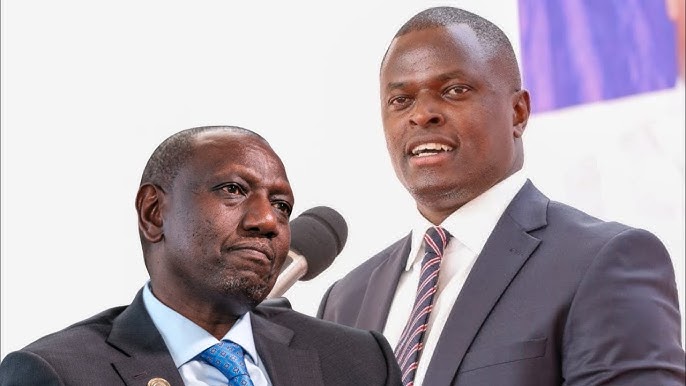
The Kenyan political and financial landscape is currently buzzing following explosive claims made by Kiharu MP Ndindi Nyoro regarding the recent listing of the Kenya Pipeline Company (KPC) on the Nairobi Securities Exchange (NSE). In a viral address, Nyoro characterized the entire Initial Public Offering (IPO) as a “hoax,” alleging that the government bypassed market realities to force a successful listing. According to Nyoro, the IPO initially saw a dismal subscription rate of below 3.5%, leading to desperate measures to “save face” and secure funding.
One of the most startling claims involves a high-level intervention involving Uganda’s President Yoweri Museveni. Nyoro alleges that in a moment of desperation, a phone call was made to Museveni to solicit investment. The Ugandan leader reportedly agreed, but under strict conditions that have raised serious concerns about Kenya’s national sovereignty. These conditions allegedly include Museveni having two directors on the KPC board and, more controversially, holding veto power over the appointment of the KPC Chief Executive Officer.
Beyond the regional diplomacy, Nyoro detailed a systemic effort to “prop up” the share price using public and workers’ resources. He claims that major state-affiliated entities—including the NSSF (National Social Security Fund), the Unclaimed Financial Assets Authority (UFAA), and Kenya Reinsurance—were forced to commit billions of shillings into KPC on the very eve of the IPO’s closing. According to Nyoro, many of these organizations signed application forms and committed funds without even holding board meetings to ratify the investments.
The financial logic behind these moves has also come under heavy fire. Nyoro pointed out that KPC was listed at nine shillings with a Price-to-Earnings (PE) ratio of 22 years, making it one of the most expensive shares on the NSE compared to stable performers like KCB, Equity Bank, or KenGen, which often have PE ratios below six. He alleges that these institutions are now engaged in “share propping”—artificially maintaining the price at nine shillings to prevent a total market collapse, effectively trapped in a losing investment with the public’s hard-earned money.
When questioned about his shift in tone from being a staunch supporter of the current administration to a vocal critic of these financial maneuvers, Nyoro was blunt. He stated that he remains committed to the promises made to Kenyans, suggesting that it is the government that has deviated from its original path. He emphasized that as a publicly listed company (PLC), KPC must operate by rules of transparency and disclosure, and he challenged the government to prove his figures wrong.
As these allegations continue to circulate, Kenyan taxpayers and pensioners are left demanding answers. If true, the claims suggest a massive manipulation of the Nairobi Securities Exchange and a worrying level of foreign influence over critical national infrastructure. For now, the spotlight remains on the National Treasury and the Capital Markets Authority (CMA) to address these “glaring” irregularities in what was supposed to be a milestone for Kenya’s energy sector.