
Ruto Navigates Diplomatic Spats, ‘Fake News’ Claims, and Fuel Protests

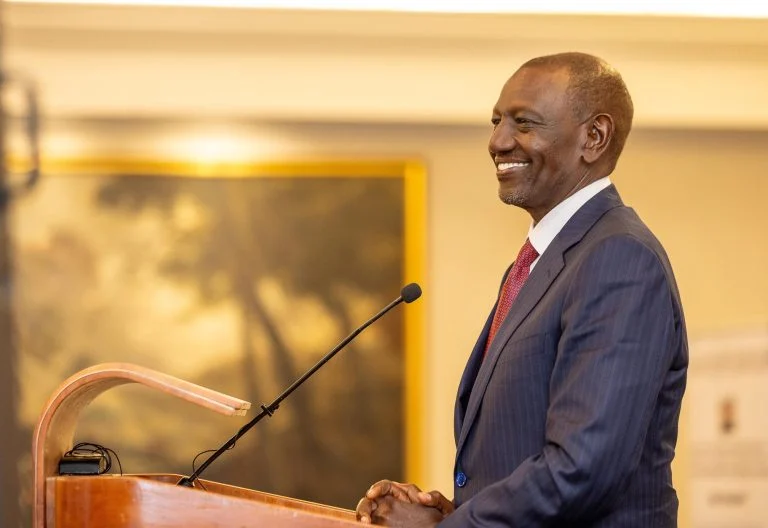
A diplomatic storm is brewing in East Africa following President William Ruto’s recent claims regarding Kenya’s infrastructure dominance. The President asserted that Kenya maintains a superior road network, boasting approximately 20,000 kilometers of tarmac with another 6,000 kilometers currently under construction. Ruto went as far as to claim that Kenya’s road network surpasses the combined tarmac of its neighboring East African Community (EAC) counterparts. This statement did not sit well with Tanzania, leading to a sharp rebuke from officials who presented counter-evidence to highlight their own rapid infrastructure development. Critics have noted that such comparisons are not only unnecessary but also overlook the geographical and economic nuances of neighboring states like Ethiopia and Tanzania, whose modern transit corridors are giving Nairobi a run for its money.
While addressing the Kenyan diaspora in Italy, President Ruto turned his attention to the digital landscape, issuing a stern warning against the reliability of social media. He labeled a staggering three-quarters of online content as “fake news,” “misinformation,” or “disinformation,” urging Kenyans to seek out official government narratives to understand the country’s progress. This move is seen by many as a strategic attempt to delegitimize the growing wave of digital activism that has been used to hold the administration accountable. However, many citizens argue that social media remains the only transparent window into the reality of the country’s economic state, especially when traditional media is perceived to be under state pressure.
The tension between the government’s narrative and the public’s reality reached a breaking point this week with the eruption of the #RejectFuelPrices protests in Nairobi. Peaceful demonstrators took to the streets to voice their frustration over the skyrocketing cost of living and the burden of new taxes. The response from the state was swift and forceful; police moved in early to disperse crowds, resulting in several arrests and reports of manhandling of activists. Observers have noted that while the government claims these protests are “unpatriotic” or “infiltrated,” the underlying anger regarding fuel prices is organic and deeply felt across all social classes.
These three events—the infrastructure dispute, the crackdown on social media, and the fuel protests—connect to form a picture of a government struggling to manage its image amidst domestic and regional friction. As President Ruto calls for “patriotism” and a unified belief in his administration’s “software” for the country, the disconnect between official statements and the lived experience of Kenyans continues to widen. The coming weeks will be a true test of whether the administration will opt for dialogue with its citizens and neighbors or continue its hardline stance on dissent and information control.


