Questions Mount as Police Remain Silent 48 Hours After Deadly ‘Detat’ Manyoka Crash

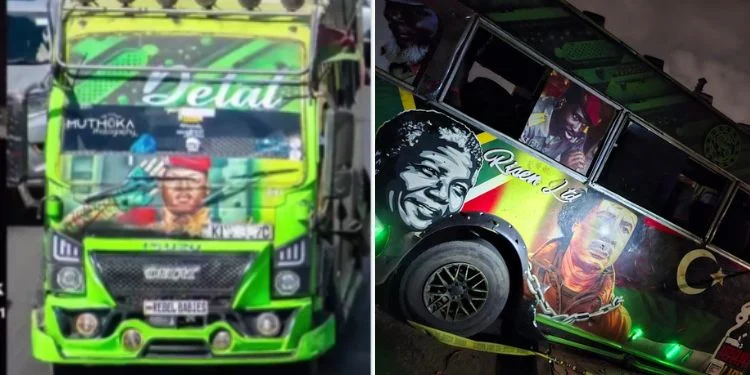
Forty-eight hours after the deadly crash involving the popular “Detat” matatu claimed the lives of five people and left several others seriously injured, pressure is mounting on authorities to explain what action has been taken against those responsible.
The accident, which shocked Nairobi and the wider matatu industry, involved the well-known Nganya dubbed Detat, a vehicle that had built a reputation among matatu enthusiasts for its flashy appearance and popularity on the Komarock route. However, what made it a fan favorite has now become the center of a national conversation about road safety, accountability, and reckless driving.
According to witnesses and survivors, the matatu was allegedly performing the dangerous stunt commonly known as “Manyoka” moments before the crash occurred. The maneuver, which involves risky swerving and aggressive driving techniques, has long been condemned by road safety experts who warn that it places passengers and other road users in danger.
The tragic crash left five people dead and several others hospitalized with serious injuries. Families of the victims have since been left mourning loved ones while others continue to pray for the recovery of those still receiving treatment.
Despite the scale of the tragedy, questions continue to emerge over the apparent silence from police and transport authorities. Nearly two days after the accident, many Kenyans are asking whether the driver has been arrested, whether the owners of the vehicle have been questioned, and what progress investigators have made in establishing the exact circumstances that led to the crash.
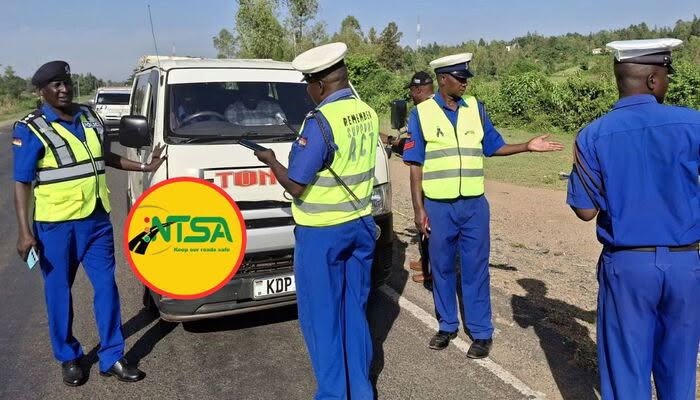
The National Transport and Safety Authority (NTSA) has reportedly summoned officials linked to the matatu’s SACCO as investigations continue. However, road safety campaigners argue that summoning officials alone is not enough and are demanding stronger action against operators who allow dangerous stunts to become part of daily operations.
The accident has reignited debate about the growing “Nganya culture” that dominates parts of Nairobi’s public transport sector. While supporters celebrate the creativity, music, artwork, and entertainment associated with these matatus, critics argue that some operators have crossed the line by encouraging reckless driving in pursuit of popularity, social media attention, and passenger numbers.
Many Kenyans have taken to social media to express outrage, with some accusing authorities of failing to crack down on dangerous behavior despite numerous warnings and previous accidents involving public service vehicles. Others have questioned whether influential operators receive preferential treatment whenever serious incidents occur.
Road safety experts say the Detat tragedy should serve as a turning point. They argue that unless firm action is taken against reckless drivers and vehicle owners, similar incidents will continue claiming innocent lives. Calls are now growing for stricter enforcement, enhanced surveillance, suspension of rogue operators, and tougher penalties for dangerous driving.
For the families who lost loved ones, however, the issue is no longer about matatu culture or road regulations. It is about justice. They want answers, accountability, and assurances that no other family will have to endure the pain caused by a tragedy that many believe could have been prevented.
As investigations continue, the spotlight remains firmly on police and transport authorities. The longer the silence persists, the louder the questions become over who will ultimately be held responsible for the crash that transformed the popular Detat matatu from a symbol of Nairobi’s vibrant transport culture into the center of one of the country’s deadliest road tragedies in recent months.