The CCM Grip: Opposition Struggles to Breathe in Tanzania’s Predicted Election Win


Today, Tanzanians cast their votes in a crucial election, yet the atmosphere is less one of vibrant democratic contest and more one of predictable formality. Across major urban centers like Dar es Salaam, Arusha, and Moshi, a palpable tension hangs in the air, with many citizens wary of discussing politics openly for fear of official scrutiny.
The current political landscape is a far cry from the ideals championed by Tanzania’s founding father, Julius Nyerere, who promoted robust democratic values. According to many analysts, those ideals have been significantly eroded, replaced by a system that increasingly centralizes power and stifles genuine political competition.
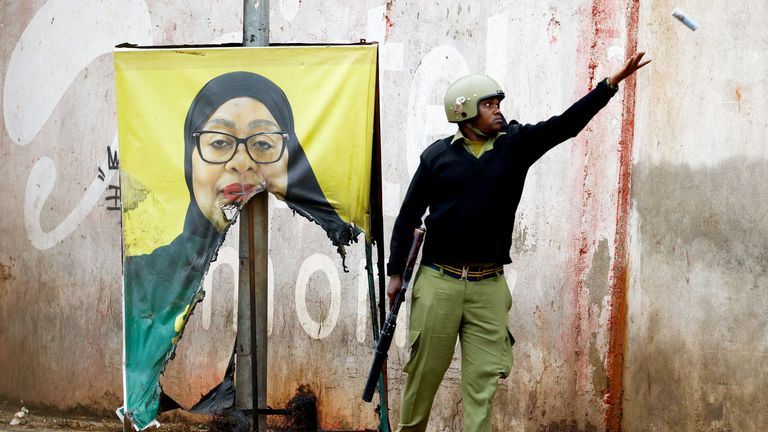
The outcome of this vote appears to be, for many, a foregone conclusion. President Samia Suluhu Hassan, who assumed office in 2021 following the passing of John Pombe Magufuli, is widely expected to secure another term.
President Samia’s campaign has skillfully anchored itself on promises of stability and continued economic progress. Her supporters herald her as a steady, capable leader guiding Tanzania through complex global and domestic challenges.
However, critics voice serious concern that this stability has come at the expense of fundamental freedoms. The administration faces accusations of limiting the space for political expression:
- Restrictions on Opposition: Opposition rallies have reportedly faced significant bureaucratic and physical hurdles.
- Media Constraints: Journalists report ongoing difficulties in covering political events freely and without interference.
- Transparency Concerns: International observers have raised flags over a lack of transparency in the electoral process itself, questioning the fairness of the choice presented to the voters.
The opposition’s struggle to break through is central to the narrative of this election. Faced with institutional pressure and an environment where dissent is discouraged, their efforts to mobilize and make a meaningful impact have been severely hampered.
Despite the widespread perception of a one-sided race, the ruling CCM party maintains that the elections are being conducted lawfully and fairly. Officials continue to push for a high voter turnout and a peaceful process.
The fundamental question remaining is not who will win, but how Tanzanian citizens will react to yet another election cycle that offers minimal room for genuine political change. The road ahead for Tanzanian democracy remains steep and uncertain.