How Suppressing the Opposition Sparked Kenya-Style Protests Across Tanzania


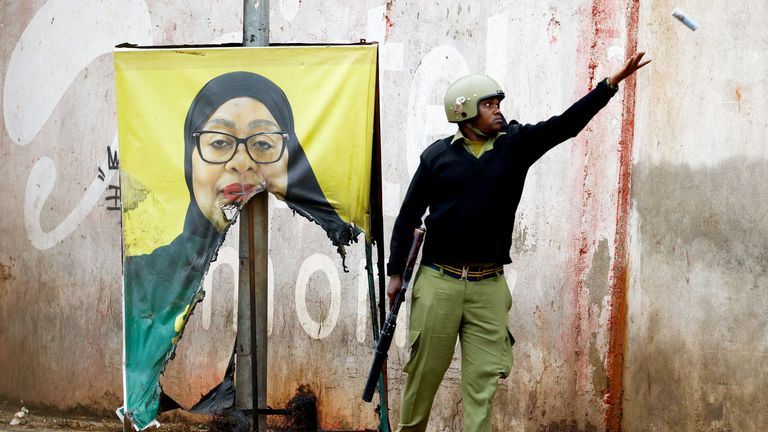
Wednesday marked Tanzania’s general election, but it felt less like a democratic exercise and more like a pre-ordained political coronation. Against a backdrop of low voter turnout and a tightly controlled opposition, widespread protests—fueled primarily by angry youth—erupted across major cities, signaling a new, dangerous chapter in the country’s political life.
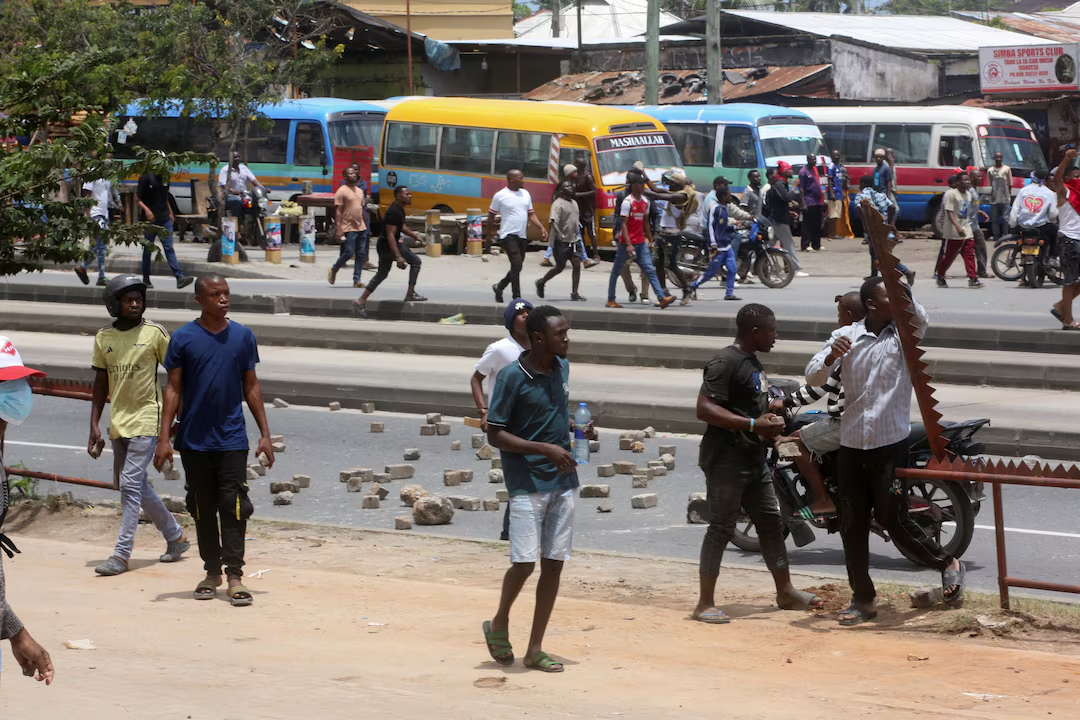
In Dar es Salaam, hundreds of young people jammed the Kinara Kibo area, barricading the key Morogoro Road with rocks and burning tires. Similar unrest was reported near the Namanga border post with Kenya, a sign of the protests’ widespread reach and the immediate concern over political stability.
The tactics employed by the Tanzanian youth—burning tires and blocking roads—are notably uncharacteristic of Tanzanian political action, instead mirroring the spontaneous, highly visible protest style popularized by Gen Z movements across the region, including in Kenya and Madagascar.
The central demand? Not regime change, but fundamental electoral reforms.
“We are tired… We want an independent electoral commission so that every Tanzanian can choose the leader they want,” one protester told the BBC.
The anger stems from what political pundits describe as a carefully engineered election devoid of genuine competition:
- Opposition Barred: Key opposition leaders, notably Tundu Lissu (CHADEMA) and Luhaga Mpina (ACT Wazalendo), were either jailed on treason charges (denied by Lissu) or disqualified, clearing the path for President Samia Suluhu Hassan of the long-ruling CCM party.
- Media Clampdown: The protests began near the Church of Resurrection and Life, associated with former CCM MP and now vocal government critic, Bishop Josephat Gwajima, whose church was recently closed.
- Digital Blackout: Internet watchdog NetBlocks reported a “nationwide disruption to internet connectivity” on election day, following pre-emptive restrictions on platforms like X (Twitter) and TikTok—tools predominantly used by the youth and diaspora to mobilize.
The atmosphere was thick with tension. As BBC reporters donned bulletproof gear to cover the clashes, residents fled the tense streets. Compounding the sense of crisis was the unprecedented halting of all major transport services (bus and ferry) across Tanzania between October 28-30. Industry observers suggest this reflected either business community fears of chaos or a deliberate attempt to limit voter movement during the “coronation.”
Furthermore, the integrity of the process was undermined by allegations, even from within opposition ranks, that the few minor candidates allowed to run had been compromised—allegedly receiving new luxury cars as inducements to ensure a clear run for the incumbent.
While President Samia cast her vote in a low-turnout exercise in Dodoma, assuring reporters she was exercising her democratic right, the scenes of violent youth protest and the heavy security presence across the nation told a far darker story about the state of democracy in Tanzania.