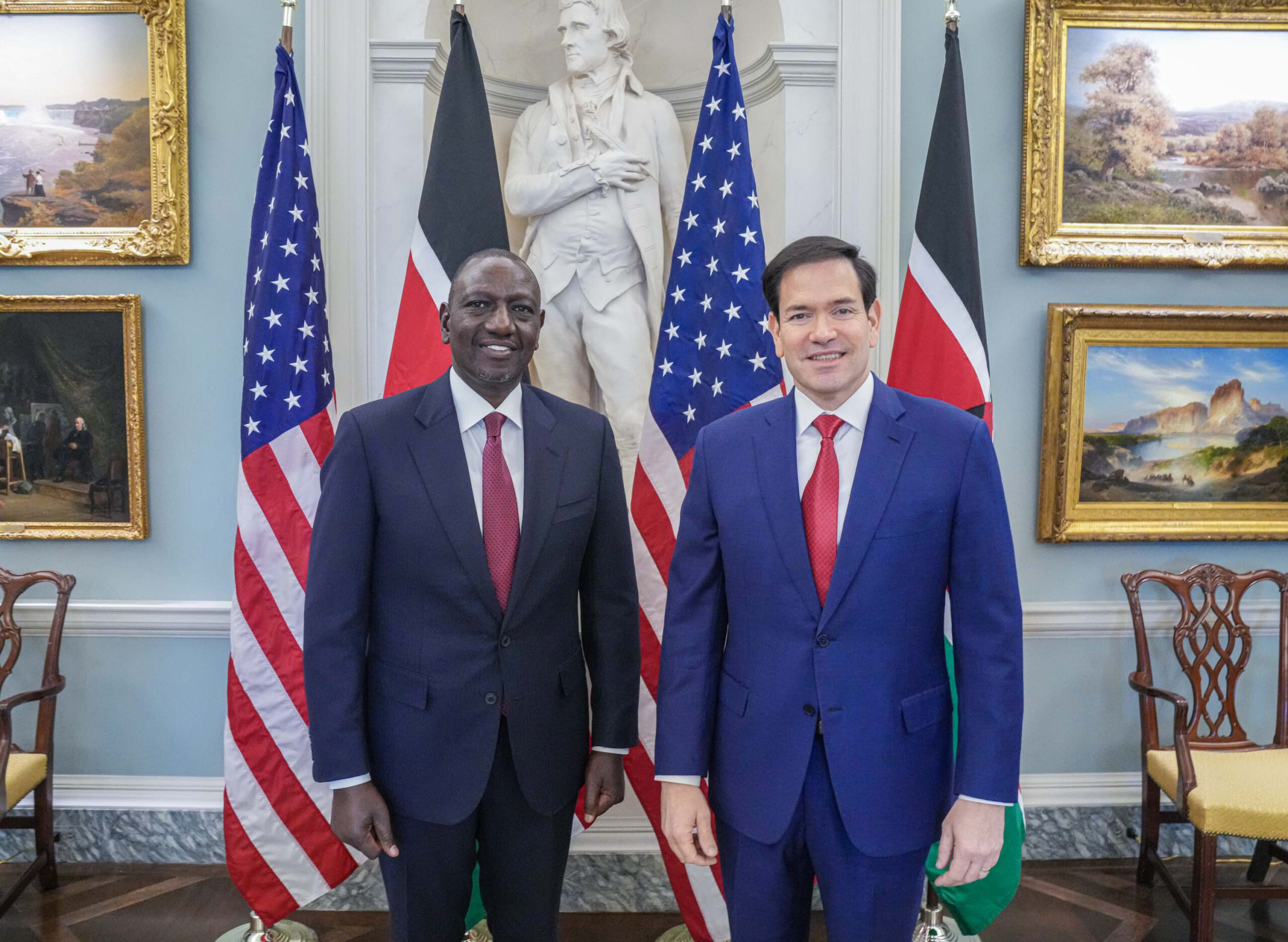
U.S. and Kenya Sign $2.5 Billion Health Partnership

The $2.5 Billion Health Cooperation Framework signed between Kenya and the United States has ignited a political firestorm, representing a monumental shift in global aid policy. For the first time, a major US health pact is channeling funding directly government-to-government, completely bypassing the traditional NGO “industrial complex.”
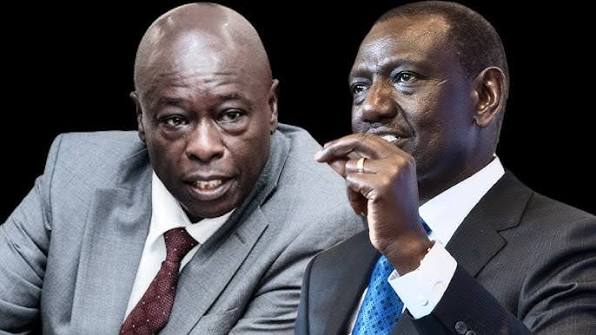
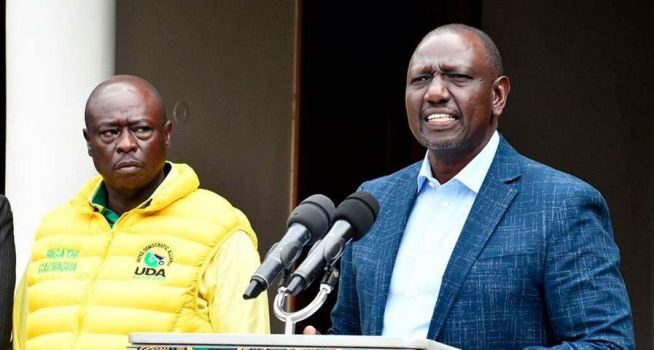
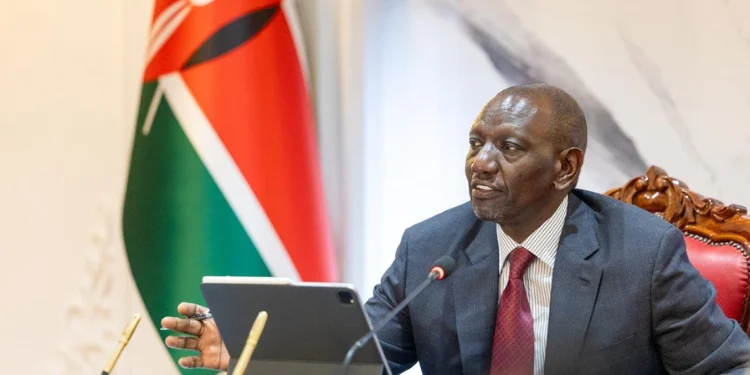
The five-year agreement earmarks up to $1.6 billion from the U.S. and commits $850 million from the Kenyan side, focusing on fighting HIV/AIDS, tuberculosis, and malaria, while building robust supply chains and modern electronic health records (EHR). President William Ruto has lauded the deal as a vote of confidence in his administration and a crucial step toward realizing Universal Health Coverage (UHC).
However, the U.S. side has been explicit: this is the debut of the ‘America First Global Health Strategy.’ Secretary of State Marco Rubio praised Kenya for aligning with U.S. foreign policy goals—including its involvement in the security mission in Haiti—stating that American resources must “never benefit groups unfriendly to the United States.” This clearly frames the aid as a tool of diplomacy and statecraft, not just philanthropy.
Beneath the headlines of billions of shillings lies a growing chorus of alarm regarding data privacy and national sovereignty. The emphasis on accelerating the national rollout of Kenya’s EHR systems has raised major questions about whose rules will govern this sensitive patient data.
While officials assure the public that only de-identified data will be shared, critics are not appeased. They point to the fact that the U.S. does not have a single federal data protection law, and that transferring extensive, real-time health data to a foreign government—which includes the ability to track disease outbreaks—exposes Kenya to “significant cybersecurity vulnerabilities” and “risks of data manipulation.”
A legal opinion presented to the Kenyan government even argued that the draft agreement was “not legally compliant, [posing] critical constitutional and sovereignty risks,” particularly because it required compliance with U.S. law, effectively subordinating Kenyan sovereignty to a foreign legal system.
After 25 years and $7 billion in US aid, the shift away from NGOs to direct funding of institutions like the Social Health Authority (SHA) and KEMSA is both revolutionary and risky. The Ruto administration defends the move as eliminating “inefficiency and waste,” but its commitment to transparency is now under intense scrutiny.
The lack of public release of the full, detailed agreement has fueled the suspicion that crucial compromises were made. For a deal of this magnitude—which will directly impact every Kenyan citizen’s health data and the future of the nation’s health workforce—the demand from advocates for immediate disclosure of the full text is growing into an ultimatum. The question remains: What specific policy concessions did Nairobi agree to, and are they worth the $1.6 billion cheque?