
Ruto and Gachagua Trade Shocking Murder and Corruption Allegations in High-Stakes Fallout

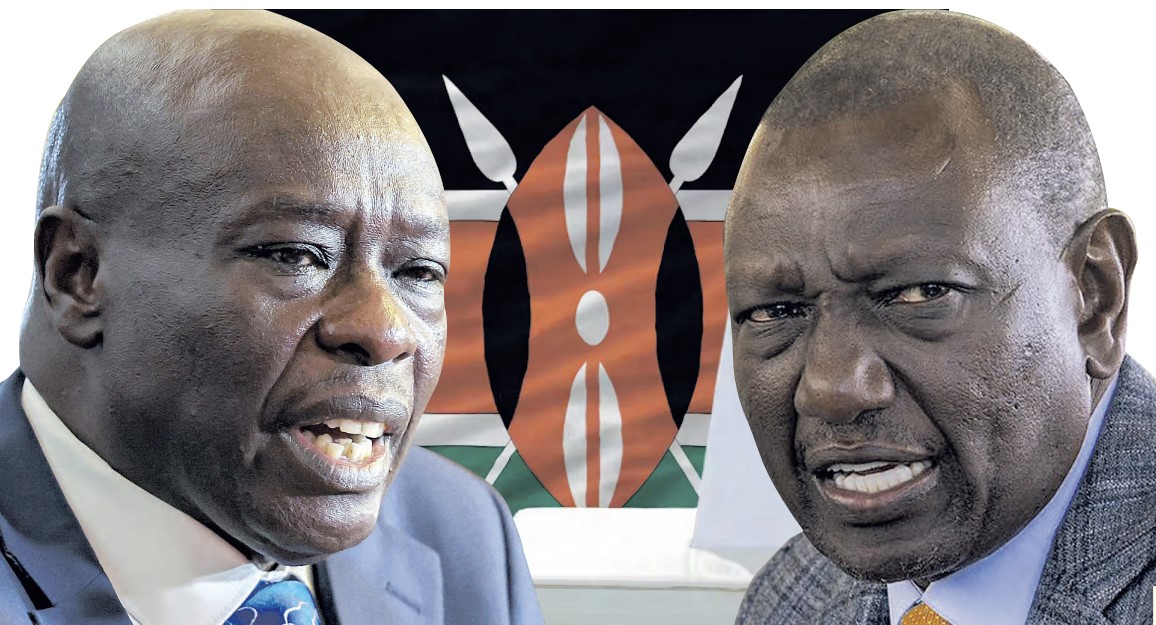
Kenya’s political landscape has officially entered a “nuclear” phase. What began as a strategic divorce between President William Ruto and his former Deputy, Rigathi Gachagua, has devolved into a scorched-earth campaign of personal destruction. In recent days, the two leaders have traded a series of “bombshell” accusations that have transcended policy debates, reaching into the realm of historical tragedies and unproven criminal allegations.
With the next election cycle looming, this confrontation isn’t just about leadership—it’s about survival.
The once-solid partnership has completely fractured, replaced by an unprecedented level of hostility. During a recent rally, President William Ruto delivered what many are calling his most aggressive political attack to date. Standing before a charged crowd, the President accused his former ally of corruption, betrayal, and—most shockingly—involvement in the “killing of girls.” These claims, though unproven, represent a deliberate attempt by the President to dismantle Gachagua’s moral standing as a leader for the Mt. Kenya region.
Gachagua has not taken the attacks lying down. Moving past his recent claims of being targeted during a church service, the former Deputy President has revived some of the most sensitive ghosts in Kenya’s history. Reports indicate that Gachagua has reportedly linked the President to the 2007–2008 Kiambaa church tragedy—a move that carries immense weight in the Rift Valley and Central regions. By referencing an event that left over 1,000 dead, Gachagua is signaling that he is willing to break any political taboo to protect his influence.
The conflict has also taken a bizarrely personal turn. The two leaders have begun trading jabs that observers have characterized as highly unprofessional. Gachagua mocked the President’s appearance, suggesting his physical change was a sign of “ill-gotten wealth,” while Ruto fired back at a rally, telling opposition leaders to “go to the gym” and accusing them of being too distracted by their own comfort to lead effectively.
The President has widened his offensive beyond Gachagua, dragging former Interior CS Fred Matiang’i and Eugene Wamalwa into the fray. Ruto recently revived the “River Yala bodies” shadow in connection to Matiang’i, while also mocking Wamalwa over his remarks regarding recent hospital sagas. Matiang’i, now a central figure in a burgeoning united opposition, hit back by urging the President not to “lower the dignity of the presidency” to debates about personal fitness and food.
As these leaders exchange “bombshells,” the Kenyan public is left wondering if policy will ever return to the center stage. With Gachagua now rallying with the opposition and the President adopting a “no-holds-barred” approach, the upcoming political race is shaping up to be the most toxic in recent memory. The question remains: will these allegations lead to legal accountability, or are they simply the latest weapons in a brutal war for power?

