IEBC Rejects Claims of Illegal Voter Registration Ahead of 2027 Election

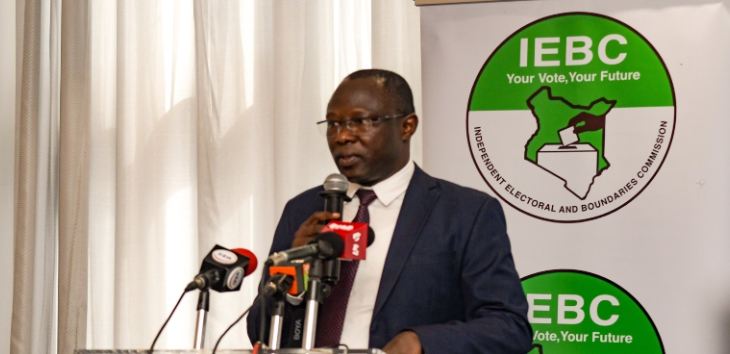
The Independent Electoral and Boundaries Commission (IEBC) has rejected allegations of illegal voter registration and the unlawful movement of election equipment ahead of the 2027 General Election.
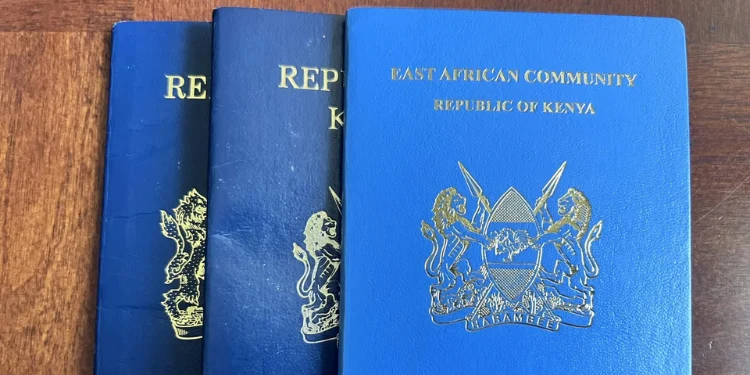
The commission’s response follows a report by The Standard alleging that foreign nationals, including Ugandans, may have obtained Kenyan identification documents and voter cards, raising questions about the integrity of the voters’ register ahead of the August 10, 2027 elections.
The allegations have also focused attention on activities along the Kenya-Uganda border, where concerns were raised over the alleged movement of Kenya Integrated Election Management System (KIEMS) kits and voter registration activities.
In its response, the IEBC denied that any KIEMS kit had been reported missing, intercepted or unlawfully moved across the border during the Enhanced Continuous Voter Registration exercise. The commission said it had not received credible evidence establishing that its equipment had been moved illegally or that foreigners had been unlawfully registered as Kenyan voters.
The electoral agency, however, said it would take action if credible evidence of wrongdoing was presented. Such action could include investigations, disciplinary proceedings and criminal prosecution where individual culpability is established.
The controversy comes at a time when preparations for the 2027 General Election are intensifying and the integrity of the voters’ register has become a major issue of public debate.
The Standard has reported allegations of networks facilitating the acquisition of Kenyan identification documents by foreign nationals, including citizens from Uganda and other countries. The newspaper said its investigation uncovered claims involving officials within government agencies responsible for registration and immigration.
The allegations have placed the National Registration Bureau (NRB) and IEBC under increased scrutiny because possession of a valid Kenyan national identity card is an important requirement for voter registration.
The IEBC has previously explained that it works with the National Registration Bureau to verify identity-card information and establish the eligibility of citizens seeking registration as voters. The commission says the collaboration is intended to support an accurate and up-to-date voters’ register.
The electoral agency has also maintained that voter registration is open to eligible Kenyan citizens who have attained the age of 18 and possess the required identification documents.
During the first phase of the Enhanced Continuous Voter Registration exercise conducted between March 30 and April 28, 2026, the IEBC deployed thousands of registration officials and KIEMS kits across the country. The exercise covered all 290 constituencies and included registration at county assembly wards, Huduma Centres and institutions of higher learning.
The commission has separately defended its deployment of voter registration kits to strategic locations, saying such deployments are permitted when necessary to reach eligible Kenyan citizens.
The latest allegations therefore come against a backdrop of growing scrutiny of how voter registration equipment is deployed and how new voters are added to the electoral roll.
The IEBC has said it remains committed to maintaining a clean, accurate and verifiable register ahead of the 2027 election. In August, the commission reported that more than 2.9 million Kenyans had registered as voters since the launch of Continuous Voter Registration in September 2025. It projected a final register of approximately 28.5 million voters for the 2027 polls.
The controversy over alleged foreign voter registration is also part of a wider national discussion about electoral preparedness. Political leaders and civil society organisations have raised questions in recent months about voter registration, election technology, procurement and the safeguards needed to protect the credibility of the electoral process.
An electoral reform coalition led by former Chief Justice David Maraga has also called for reforms ahead of the 2027 election, citing concerns over technology, procurement and the integrity of the voters’ register.
For the IEBC, the immediate challenge will be addressing allegations while ensuring that legitimate voter registration continues without interference.
The commission has urged members of the public to provide evidence where electoral violations are suspected rather than relying solely on unverified claims. Where wrongdoing is established, the IEBC says those responsible could face administrative, disciplinary or criminal consequences.
With less than a year remaining before the 2027 General Election, scrutiny of the voters’ register is expected to increase as political parties, candidates and voters demand assurances that only eligible Kenyan citizens are registered.
The IEBC’s latest response therefore places the burden on those making the allegations to provide credible evidence, while the commission maintains that it will investigate any substantiated breach of electoral law.