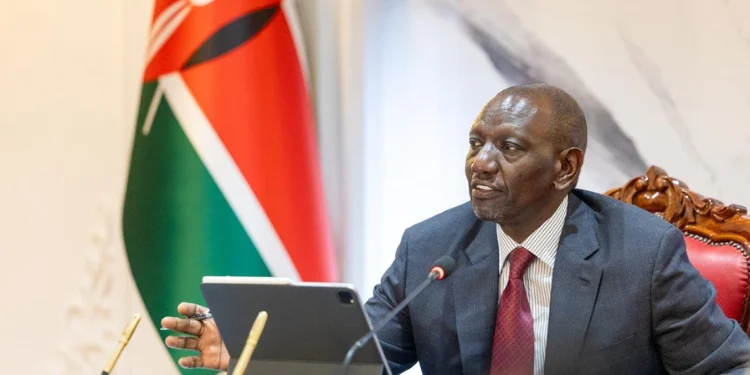
Why President Ruto’s Security Scares Are Raising Tough Questions

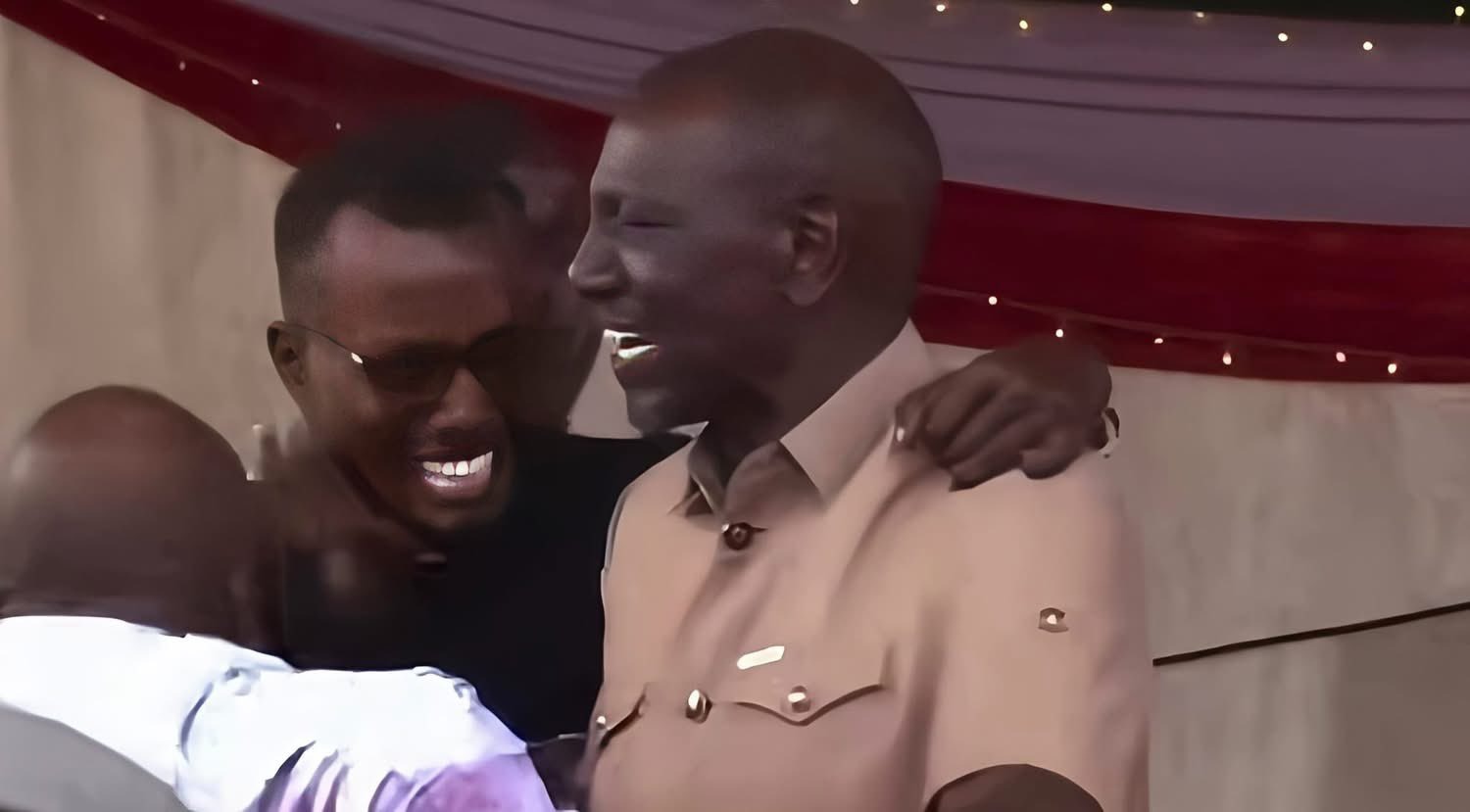
A growing series of security scares surrounding President William Ruto has sparked intense national debate, with many Kenyans now questioning whether the incidents reflect genuine security failures, political symbolism, or deeper weaknesses within the country’s presidential protection system.
The latest controversies come after several highly publicized security breaches during presidential events, raising concerns about how individuals continue managing to get dangerously close to the Head of State despite the presence of elite security teams. The incidents have fueled discussion across political circles, security agencies, and social media platforms, with some critics arguing that Kenya’s presidential security protocols are being tested in ways rarely witnessed in recent years.
One of the most widely discussed incidents occurred in Kilifi, where a young man carrying a Bible managed to breach security and approach President Ruto while he was addressing a public gathering. The unexpected intrusion shocked many observers and immediately triggered questions about crowd screening, intelligence coordination, and perimeter security. Following the incident, Inspector General Douglas Kanja reportedly described the breach as a matter of “gravest national concern” and ordered immediate restructuring within the President’s security detail.
The Kilifi incident was not isolated. Similar security scares have been witnessed during presidential events in Mombasa and Wajir, where individuals reportedly bypassed security barriers and rushed toward the President during public engagements. While security officers quickly intervened in most cases, the repeated nature of the incidents has raised concern among security experts who warn that even minor breaches could create opportunities for more serious threats.
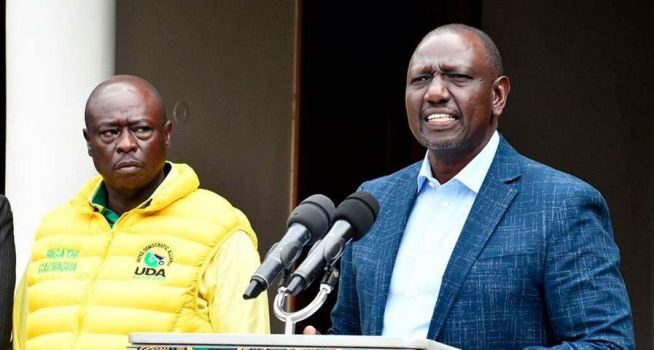
At the center of the debate is President Ruto’s leadership style. Since taking office, Ruto has consistently portrayed himself as a leader who prefers direct engagement with wananchi rather than maintaining strict barriers between himself and the public. He frequently walks into crowds, shakes hands freely, and encourages close interaction during rallies, church events, and public meetings. Supporters argue that this accessibility strengthens his connection with ordinary citizens and reflects humility in leadership. Critics, however, warn that such openness may be compromising standard presidential security procedures.
The discussion has become even more sensitive amid reports of alleged bomb threats and broader concerns about public safety during presidential tours. Although authorities have not publicly confirmed major credible threats linked to recent events, the atmosphere surrounding repeated security incidents has fueled speculation and political commentary about whether enough is being done to protect the President. Some observers argue that heightened political tensions, economic frustrations, and growing public anger increase the risks facing senior government leaders during large public gatherings.
Others have gone further by questioning whether some of the highly publicized incidents unintentionally benefit the President politically by reinforcing his image as a fearless and approachable leader. Supporters dismiss such claims as conspiracy theories, insisting that no government would deliberately risk the safety of the Head of State for political optics. Nevertheless, the debate continues gaining traction online as every new security incident attracts national attention.
Historically, Kenyan presidents have maintained heavily controlled public appearances with strict crowd management and extensive security screening. Security analysts note that the modern political environment has changed significantly, with leaders increasingly seeking visibility and direct voter engagement. However, experts warn that balancing accessibility with security remains one of the most difficult challenges facing presidential protection units worldwide.
The repeated breaches have already resulted in significant changes within Kenya’s security structure. Senior officers attached to the Presidential Escort Unit were transferred and new leadership appointments made following the Kilifi incident as authorities moved to strengthen security protocols and restore public confidence.
As questions continue growing, the issue is no longer simply about individual security lapses. It has evolved into a broader conversation about leadership style, political symbolism, public trust, and the ability of security agencies to protect the country’s most important office.
Whether the incidents represent isolated failures, systemic weaknesses, or the unavoidable consequences of Ruto’s highly accessible political approach, one thing remains clear: presidential security has now become one of the most closely watched issues in Kenya’s political landscape.