Kenya on High Alert as Ebola Preparedness Measures Expand Nationwide


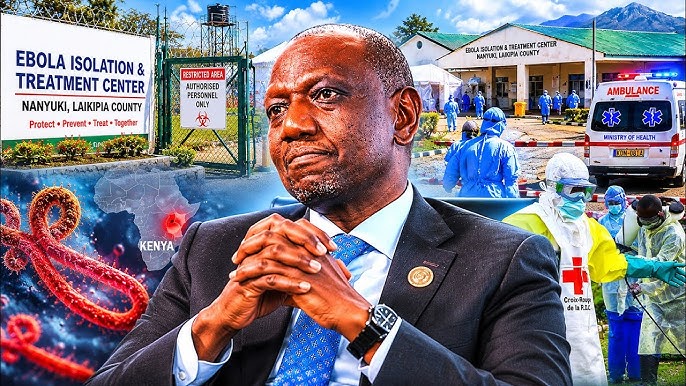
Kenyan authorities have significantly intensified screening, surveillance, and emergency preparedness measures following growing concerns over the regional Ebola outbreak, with ten African countries now classified as high-risk for possible cross-border transmission of the deadly virus.
The Ministry of Health has activated enhanced monitoring systems at airports, land border crossings, and other key points of entry as part of efforts to prevent Ebola from entering the country. Health officials say the move follows warnings from regional and international health agencies about the increasing risk of cross-border spread linked to outbreaks in Uganda and the Democratic Republic of Congo.
According to health authorities, Kenya is among the countries considered vulnerable due to its extensive regional transport networks, trade routes, and movement of people across East and Central Africa. The Africa Centres for Disease Control and Prevention (Africa CDC) and the World Health Organization have reportedly identified ten countries that require heightened preparedness measures due to the risk of Ebola transmission.
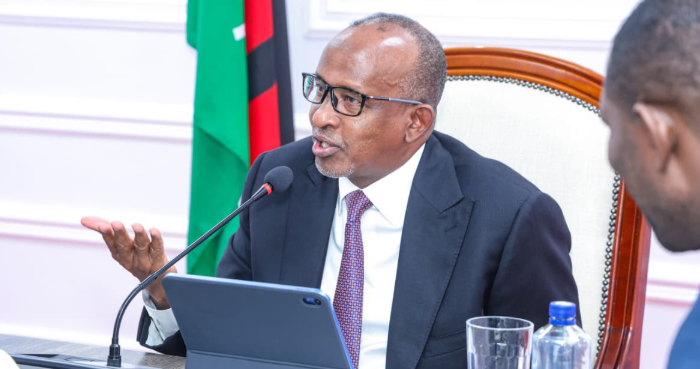
Health Cabinet Secretary Aden Duale has assured the public that Kenya currently has no confirmed Ebola cases but emphasized that authorities are taking no chances. The government has activated emergency response structures through the Kenya National Public Health Institute, strengthened disease surveillance systems, expanded laboratory testing capacity, and increased screening of travelers arriving from high-risk regions.
Screening procedures have been intensified at major entry points including Jomo Kenyatta International Airport as well as border crossings such as Busia, Malaba, and Suam. Health officials are carrying out temperature checks, traveler assessments, and risk-based monitoring aimed at quickly identifying suspected cases before community transmission can occur.
Recent reports indicate that several travelers arriving from the Democratic Republic of Congo triggered health alerts after showing symptoms associated with viral infections. Emergency response teams isolated and tested the individuals, but authorities later confirmed that all Ebola test results returned negative. Despite the reassuring outcome, the incident prompted the government to further strengthen surveillance systems across the country.
The Ministry of Health says more than 42,000 travelers have already undergone screening at airports, border crossings, and other designated entry points as part of the enhanced preparedness campaign. Rapid response teams have also been placed on standby while four national reference laboratories continue operating with expanded testing capacity to handle suspected Ebola cases if necessary.
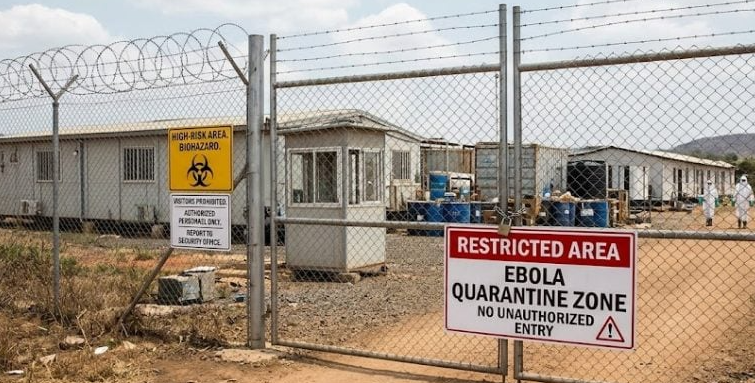
Authorities have additionally activated isolation and holding facilities at selected referral hospitals and border locations while launching public awareness campaigns targeting healthcare workers, transport operators, border communities, and other groups considered vulnerable to cross-border transmission. Training programs have also been expanded to improve detection and emergency response capabilities among frontline health personnel.
The heightened surveillance comes amid growing public debate surrounding the controversial proposal involving a US-linked Ebola quarantine facility in Kenya. While government officials insist that preparedness measures are focused on protecting public health and strengthening emergency response capacity, concerns remain high among sections of the public over Ebola-related policies and Kenya’s role in regional disease containment efforts.
Health experts continue urging vigilance rather than panic, emphasizing that early detection, rapid isolation, effective surveillance, and strong border controls remain the most important tools for preventing outbreaks. Officials maintain that Kenya remains safe for travel, business, and tourism while preparedness efforts continue nationwide.