Opposition Grows as Kenya Faces Backlash Over US Ebola Facility Proposal


A controversial plan by Kenya and the United States to establish an Ebola isolation and quarantine facility in the country has triggered a major legal, political, and public backlash, with the High Court temporarily suspending the project amid growing concerns over public safety, transparency, and national sovereignty.
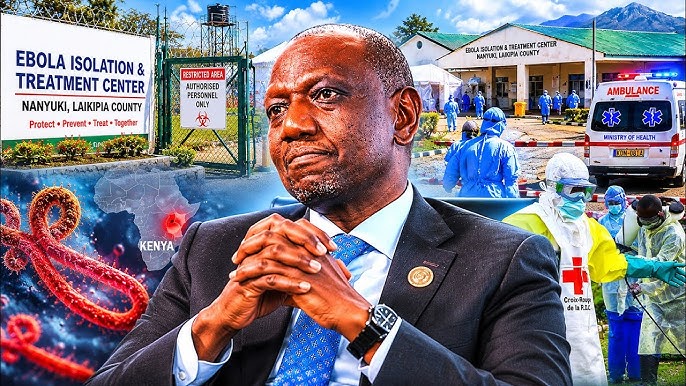
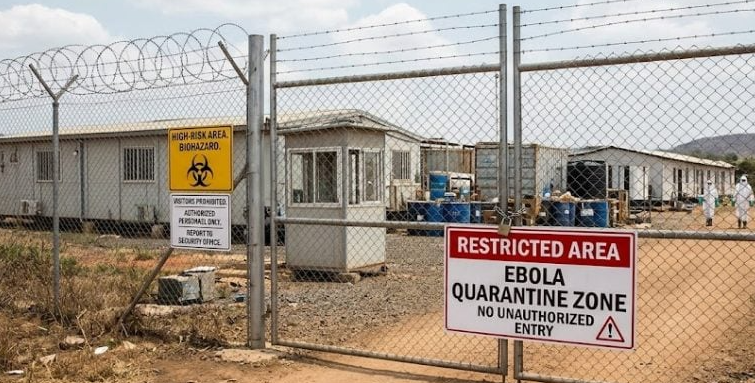
The proposed facility, reportedly planned for Laikipia Air Base, was intended to host American citizens who may have been exposed to the Ebola virus during the ongoing outbreak in the Democratic Republic of Congo and parts of Uganda. Under the arrangement, exposed individuals would be monitored and quarantined in Kenya instead of being transported directly back to the United States.
However, the plan quickly sparked outrage among sections of the public, health professionals, civil society organizations, and political leaders, many of whom questioned why Kenya should host Ebola-exposed foreign nationals despite not currently having confirmed Ebola cases within its borders. Critics argued that the proposal could expose the country to unnecessary public health risks while raising concerns about whether proper consultations and parliamentary oversight had taken place.
The controversy escalated after the Katiba Institute filed a court petition challenging the project. The organization argued that the facility raised serious constitutional concerns involving public participation, the right to health, transparency, and national biosecurity. Following the petition, the High Court issued conservatory orders temporarily halting the establishment and operation of the Ebola facility until the case is heard and determined.
The court ruling effectively blocked the admission of any Ebola-exposed or infected individuals under the proposed agreement, marking a significant setback for the project. The decision came only hours before reports indicated the facility was expected to become operational.
The proposal has also attracted strong opposition from Kenya’s medical community. The Kenya Medical Practitioners, Pharmacists and Dentists Union threatened industrial action and demanded full disclosure of the agreement between Nairobi and Washington. Union leaders accused the government of failing to adequately consult health professionals and warned that the project could endanger Kenya’s healthcare system and national safety.
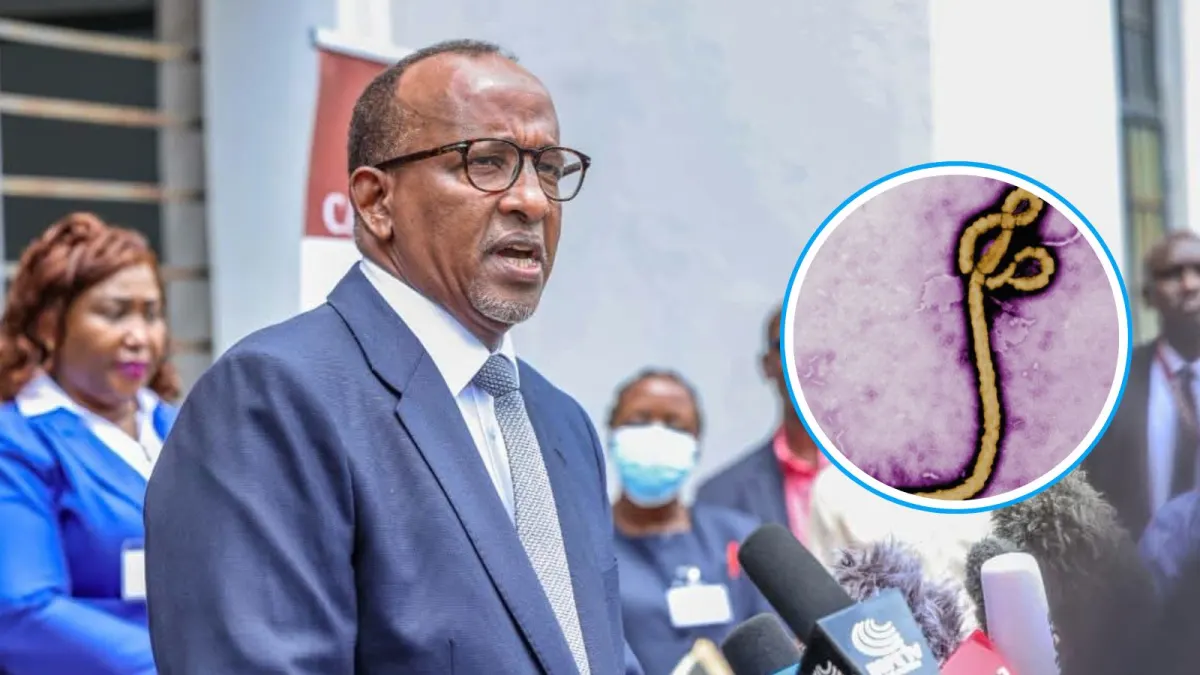
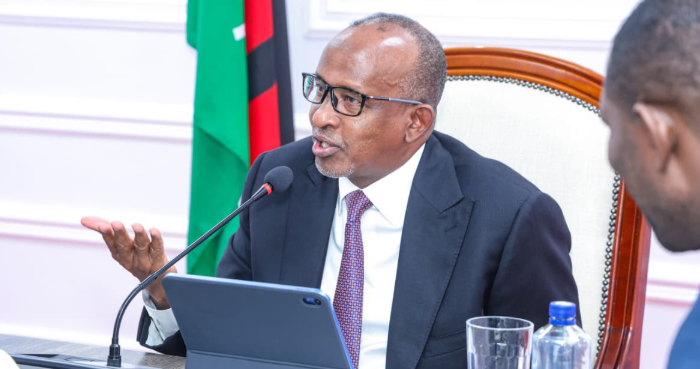
Political leaders from Laikipia and surrounding regions have likewise raised objections, arguing that local communities were not sufficiently informed about the project. Several leaders demanded greater transparency regarding the location, safety measures, operational procedures, and long-term implications of hosting such a facility.Despite the backlash, both the Kenyan and US governments have defended the discussions as part of broader international cooperation aimed at strengthening Ebola preparedness and response capabilities. Health Cabinet Secretary Aden Duale stated that any arrangement would be guided by Kenyan law, biosafety standards, and the government’s responsibility to protect public health.
Meanwhile, Washington has expressed confidence that concerns surrounding the project can eventually be resolved. US officials emphasized that the facility was intended to improve rapid response capabilities for Ebola exposure cases and announced plans to support Kenya’s preparedness efforts with millions of dollars in additional funding.
The debate has now expanded beyond public health and evolved into a broader national conversation about transparency, foreign policy, government accountability, and Kenya’s role in international health security partnerships. While supporters argue the facility could strengthen Kenya’s preparedness infrastructure, opponents insist that public consultation and safety concerns must be fully addressed before any such project proceeds.
With the High Court expected to hear the matter in the coming days, the future of the Kenya-US Ebola isolation facility remains uncertain. What is clear, however, is that the proposal has already become one of the most controversial public health and political issues currently facing the country.