Tanzania’s Shadow Poll: The 98% Victory and the Hundreds Missing

The numbers tell one story—a landslide victory for President Samia Suluhu Hassan with a staggering 98% of the vote. But the silence that followed the October 29th election tells a far more harrowing one: a narrative of repression, bloodshed, and a democracy fracturing under the weight of lethal force.
This isn’t just a political dispute; it is a full-blown human crisis.
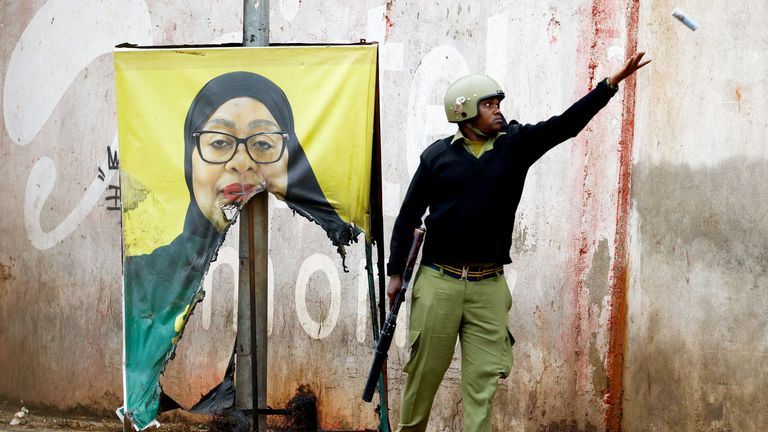
The election was marred from the start by opposition boycotts and the arrest of key rivals, including prominent figure Tundu Lissu. But when brave youth took to the streets, demanding basic democratic reforms, the government response was immediate, brutal, and coordinated. A nationwide internet blackout was imposed, followed by a harsh curfew, effectively plunging the nation into darkness and isolating citizens from the world—and each other.
What happened in the days that followed has only recently begun to surface, thanks to tireless investigative work. The UN estimates that hundreds of people were killed during this period of state-enforced silence.
But the most chilling evidence comes from a CNN investigation utilizing forensic analysis, witness testimony, and satellite imagery. Their findings confirm what many feared: security forces fired upon unarmed protesters from distances of up to 112 meters, indicating systematic, pre-meditated use of lethal force. More disturbingly, the investigation uncovered signs of mass graves near Dar es Salaam, raising deeply unsettling questions about a deliberate, large-scale effort to conceal the true number of casualties.
Security forces were reportedly seen moving bodies from hospitals and streets to undisclosed locations—a desperate attempt to erase the evidence of extrajudicial killings.
In the face of overwhelming international pressure, President Hassan has launched an inquiry, yet the government continues to minimize the scale of the tragedy, vaguely acknowledging only “some casualties.” This response rings hollow when measured against the UN’s estimates and the forensic evidence of coordinated state violence.
The silence has been broken, but the fear remains. The lives lost in this post-election crackdown cannot be forgotten. The global community—from human rights organizations to international bodies—must stand in solidarity with the Tanzanian people, demanding a truly independent, international investigation into these grave human rights violations.
The legitimacy of a 98% victory is meaningless when the cost is measured in hundreds of unmarked graves. Accountability must be the next vote cast for the future of Tanzania.