Mombasa Hosts Global Ocean Summit as Kenya Pushes Conservation Agenda

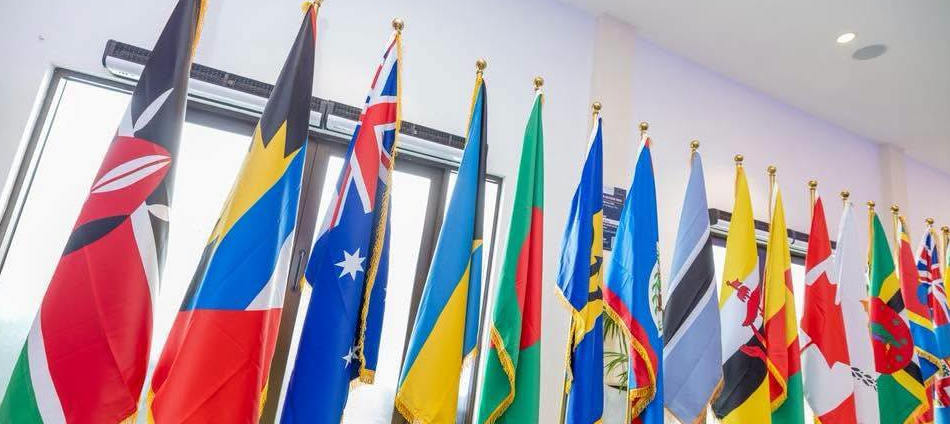
Kenya has reaffirmed its commitment to protecting the Indian Ocean while harnessing its vast resources to drive economic growth, create jobs, and improve livelihoods for coastal communities.
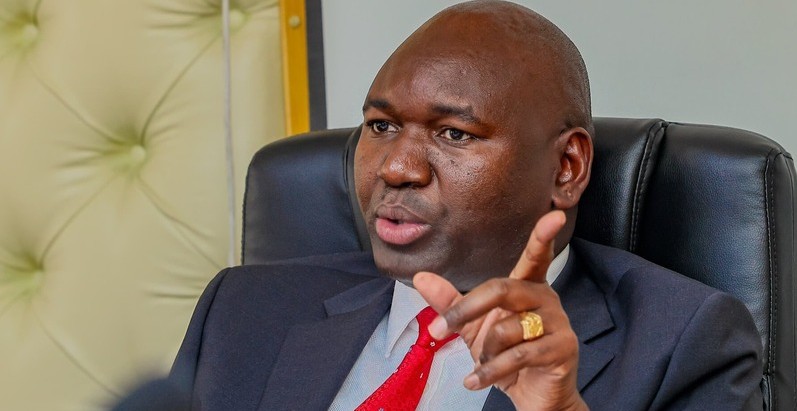
Speaking during the opening of the 11th Our Ocean Conference in Shanzu, Mombasa, Deputy President Kithure Kindiki said the government is determined to promote sustainable use of marine resources while ensuring that future generations continue to benefit from the country’s rich ocean ecosystem.
Representing President William Ruto at the international conference, Kindiki emphasized that the Indian Ocean remains a critical pillar of Kenya’s economy, supporting trade, tourism, fisheries, transportation, and employment for millions of people across the region.
The conference brought together government officials, environmental experts, scientists, conservation organizations, and development partners from around the world to discuss solutions aimed at protecting oceans from growing environmental threats.
Kindiki warned that the world’s oceans are facing unprecedented pressure from climate change, pollution, habitat destruction, biodiversity loss, and unsustainable exploitation of marine resources. He noted that human activities have significantly contributed to the deterioration of marine ecosystems, but stressed that the damage can still be reversed through collective action.
“Human activity that has exerted environmental pressure on our oceans can be addressed for the reversal of some of the effects that are undermining the health of our oceans,” the Deputy President said.
He further highlighted the importance of the Indian Ocean to Kenya and the wider region, noting that for generations it has supported livelihoods, facilitated trade, inspired culture, and created economic opportunities for millions of people.
However, he cautioned that illegal, unreported, and unregulated fishing, alongside the impacts of climate change and marine pollution, continues to threaten the long-term sustainability of ocean resources.
The conference also heard from former United States Secretary of State John Kerry, the founder of the Our Ocean Conference, who challenged global leaders to move beyond commitments and implement practical solutions capable of delivering measurable results.
Kerry emphasized the critical role oceans play in sustaining life on Earth, noting that oceans produce nearly half of the oxygen people breathe, provide food for more than three billion people, support millions of jobs worldwide, and facilitate approximately 80 percent of global trade.
He urged governments, businesses, and conservation groups to accelerate investments in ocean protection, sustainable fisheries, marine conservation, and climate resilience.
The conference comes at a time when countries around the world are increasingly focusing on the blue economy as a key driver of sustainable development. Kenya has been positioning itself as a regional leader in the sector through investments in maritime infrastructure, fisheries, marine conservation, and coastal development projects.
As discussions continue in Mombasa, stakeholders are expected to announce new commitments aimed at strengthening ocean conservation, tackling marine pollution, combating illegal fishing, and promoting sustainable economic activities linked to ocean resources.
The gathering underscores Kenya’s growing role in global environmental discussions and highlights the importance of protecting oceans as a foundation for economic prosperity, food security, climate resilience, and sustainable development.