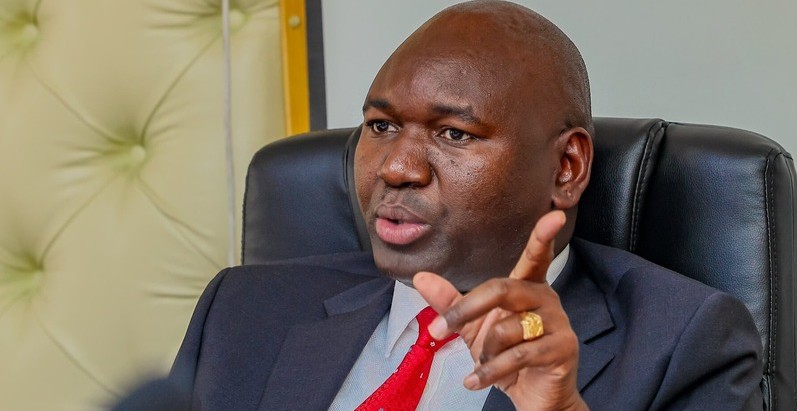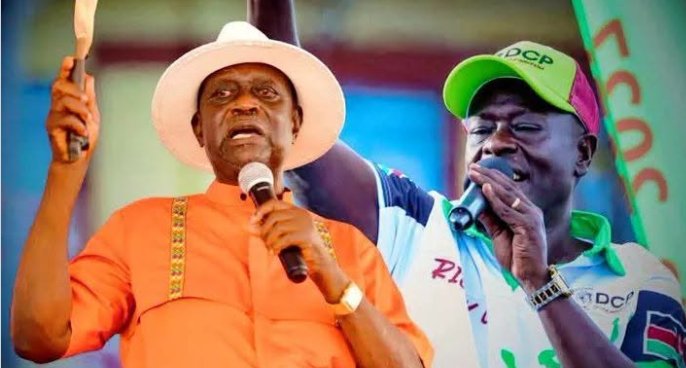
Critics Question Kindiki’s Visibility as Kenyans Struggle With Fuel Costs

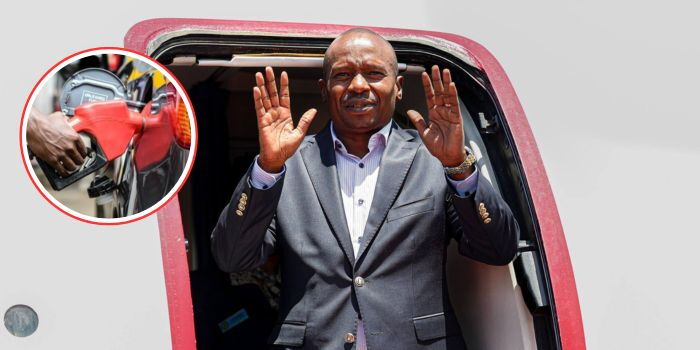
Deputy President Kithure Kindiki is facing growing political scrutiny following his apparent silence and low public visibility during the ongoing fuel crisis that continues to affect millions of Kenyans struggling with the rising cost of living. The situation has triggered debate across political circles and social media platforms, with critics questioning whether the country’s second-in-command has taken an active leadership role during one of the toughest economic periods facing ordinary citizens.
As fuel prices remain high, the impact has continued to spread across nearly every sector of the economy. Transport costs have risen sharply, food prices have increased, and businesses are battling higher operational expenses. For many Kenyans, the fuel crisis has become symbolic of the wider economic difficulties currently affecting households across the country. Amid these concerns, attention has increasingly shifted toward senior government officials and their response to the growing public frustration.
Critics argue that while Cabinet Secretaries and other government spokespersons have frequently addressed economic matters publicly, Kindiki has remained largely absent from national conversations surrounding the fuel crisis. Some political observers believe the Deputy President’s limited visibility has created the perception that he is detached from the struggles facing ordinary wananchi. The criticism has fueled online discussions, with some Kenyans questioning whether Kindiki is exercising meaningful influence within government or simply holding the title without actively shaping policy direction.
The debate has also revived comparisons with previous deputy presidents who maintained strong public engagement during national crises. Analysts say Kenyans often expect senior leaders to offer reassurance, provide clear communication, and demonstrate visible leadership whenever the country faces economic or political pressure. In the absence of consistent public messaging from the Deputy President, critics claim a leadership vacuum begins to emerge, especially during periods of uncertainty and hardship.
However, supporters of Kindiki have strongly defended him against the criticism, arguing that leadership is not always measured through media appearances or political statements. Allies of the Deputy President insist that Kindiki continues to play a strategic role within government behind the scenes and that fuel pricing and economic policy decisions largely fall under specific ministries and state agencies. Some supporters have accused political opponents of deliberately attempting to portray him as ineffective in order to weaken his standing within government and national politics.
Others argue that the criticism directed at Kindiki reflects the broader frustration among Kenyans over the state of the economy rather than personal dissatisfaction with the Deputy President himself. With inflation, taxation, unemployment, and the rising cost of living dominating public discourse, many citizens are increasingly demanding accountability and immediate solutions from leaders at every level of government.
Political analysts note that the fuel crisis has now evolved beyond an economic issue and become a political test for the administration’s leadership structure, communication strategy, and ability to respond to public concerns. Every statement — or silence — from senior officials is now being closely analyzed by both supporters and critics of the government.
The discussion surrounding Kindiki’s role also comes at a politically sensitive time when leaders are positioning themselves ahead of future political battles and internal government alignments. Observers say visibility during moments of national difficulty often shapes public perception and can influence long-term political credibility.
As pressure continues to mount over fuel prices and the overall economic situation, Kenyans are likely to keep demanding more direct engagement and reassurance from top government officials. Whether Kindiki will take a more visible role in addressing the crisis remains to be seen, but the debate has already intensified questions surrounding leadership, accountability, and the expectations placed on those occupying the country’s highest offices.
For many struggling citizens, the issue is no longer only about fuel prices. It has become a wider conversation about governance, responsiveness, and whether leaders truly understand the daily economic realities facing ordinary Kenyans.