Matatu Officials Deny Being Paid to Call Off Nationwide Strike

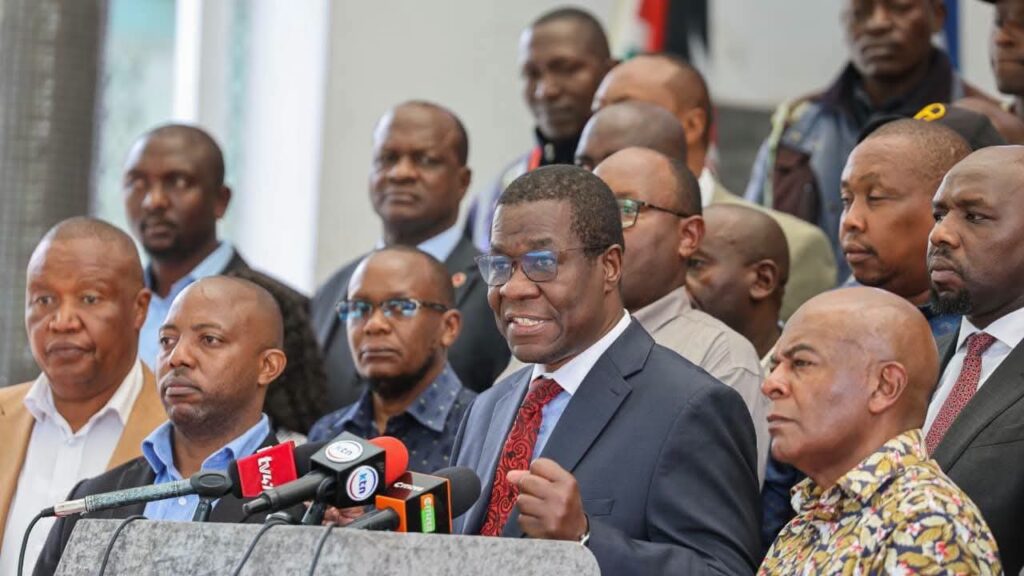
Public transport sector officials have strongly dismissed allegations that they received payments or political incentives to suspend the planned nationwide strike, saying the claims are false, misleading, and intended to tarnish the image of PSV leadership. The officials insisted that the decision to call off the industrial action was reached after extensive consultations and negotiations focused on protecting both operators and millions of Kenyans who depend on public transport every day.
The controversy emerged shortly after the strike was suspended, with social media reports and political speculation suggesting that some leaders within the matatu and PSV sector had allegedly been “compromised” to abandon the protests. The claims triggered heated reactions online, with some Kenyans questioning why the strike ended abruptly despite earlier firm declarations that operators were ready for a nationwide shutdown.
In response, PSV leaders maintained that no money exchanged hands and that the suspension was purely based on ongoing engagements with government officials and transport stakeholders. According to the officials, discussions centered around long-standing concerns affecting the industry, including high fuel prices, rising operational costs, taxation policies, digital compliance requirements, insurance expenses, and licensing regulations that operators say continue to hurt businesses within the transport sector.
The leaders argued that while the frustrations among operators are genuine, proceeding with the strike would have caused major economic disruption across the country. Public transport plays a critical role in Kenya’s economy, particularly in major urban centers where millions rely on matatus and buses for work, school, and business activities. Officials said they chose dialogue over confrontation in order to avoid paralyzing transport services and worsening the financial strain already facing ordinary citizens.
The developments have since taken a political angle, with critics and supporters offering competing interpretations of the decision to suspend the strike. Some observers believe the allegations reflect growing public mistrust toward negotiations involving sector leaders and government representatives, especially during periods of economic hardship and political tension. Others argue that the quick spread of bribery claims demonstrates how deeply polarized public discourse has become whenever major protests or demonstrations are suddenly halted.
Political and economic analysts note that the transport sector remains one of the most sensitive areas in the country because any disruption immediately affects trade, employment, education, and the overall cost of living. Rising fuel prices and increased operational expenses have continued to place enormous pressure on transport operators, many of whom say they are struggling to remain profitable under the current economic conditions.
Despite the controversy, PSV officials insist they have not abandoned the concerns raised by operators and commuters. They say negotiations with authorities are expected to continue as they push for practical solutions that can reduce the burden on the sector while ensuring public transport services remain stable and affordable. Many Kenyans are now watching closely to see whether the government will respond with policy adjustments or whether tensions within the transport industry could trigger fresh protests in the future.
The incident has once again highlighted the growing intersection between economic pressure, public frustration, and politics in Kenya, with transport issues increasingly becoming part of the broader national debate on taxation, governance, and the rising cost of living.