M-PESA Trail Exposes Kileleshwa MCA Robert Alai in KES 500K Extortion Scandal


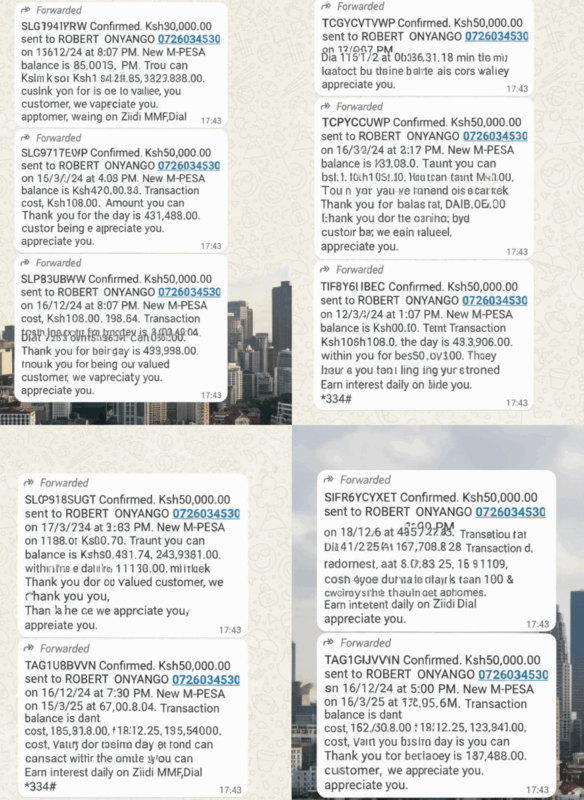
The political landscape in Nairobi has been rocked by explosive corruption allegations after activist Maverick Aoko publicly released a trove of digital evidence—including audio recordings, screenshots, and M-Pesa transaction logs—alleging that Kileleshwa MCA Robert Alai demanded nearly 500,000 Kenyan shillings from a local businessman.
The claims revolve around billboard owner Adan, who was allegedly pressured for payments spanning a crucial ten-month period between December 2024 and October 2025. Aoko’s evidence is presented as a digital smoking gun, detailing the alleged transactions and revealing explicit chat logs that appear to corroborate the businessman’s claims of extortion by the elected official. This places immense pressure on the well-known politician, who built his reputation on digital transparency and fighting corruption.
Facing the severe accusations, Robert Alai issued a swift and aggressive denial, branding the claims as baseless and urging his critics to “pursue legal action” if they genuinely believe in the case.
However, the MCA did not stop at denial. In a move widely viewed as a political counter-strike, Alai immediately announced the demolition of four allegedly illegal billboards within the ward. This swift regulatory action, coming precisely amid the storm of bribery claims, has led political observers to question whether the billboard scandal is a genuine crackdown or a calculated attempt to change the narrative and deflect public scrutiny away from the M-Pesa trail.
As the evidence circulates widely across social media platforms, the silence from Kenya’s key investigative bodies is conspicuous. Neither the Ethics and Anti-Corruption Commission (EACC) nor the Directorate of Criminal Investigations (DCI) has issued a statement regarding the explosive allegations against the Kileleshwa MCA.
This institutional silence fuels public speculation about political protection and raises serious questions about the commitment to accountability in high-profile cases. With digital evidence already in the public domain, the pressure is now mounting on the EACC to launch a full and immediate investigation to determine the veracity of the M-Pesa logs and chat screenshots, or risk facing accusations that the fight against corruption remains purely selective in Nairobi politics. The public awaits a definitive response on whether justice will prevail or if the KES 500K scandal will be swept under the rug.