Kenya Tracks 122 Ebola Contacts as Health Authorities Report No New Infections

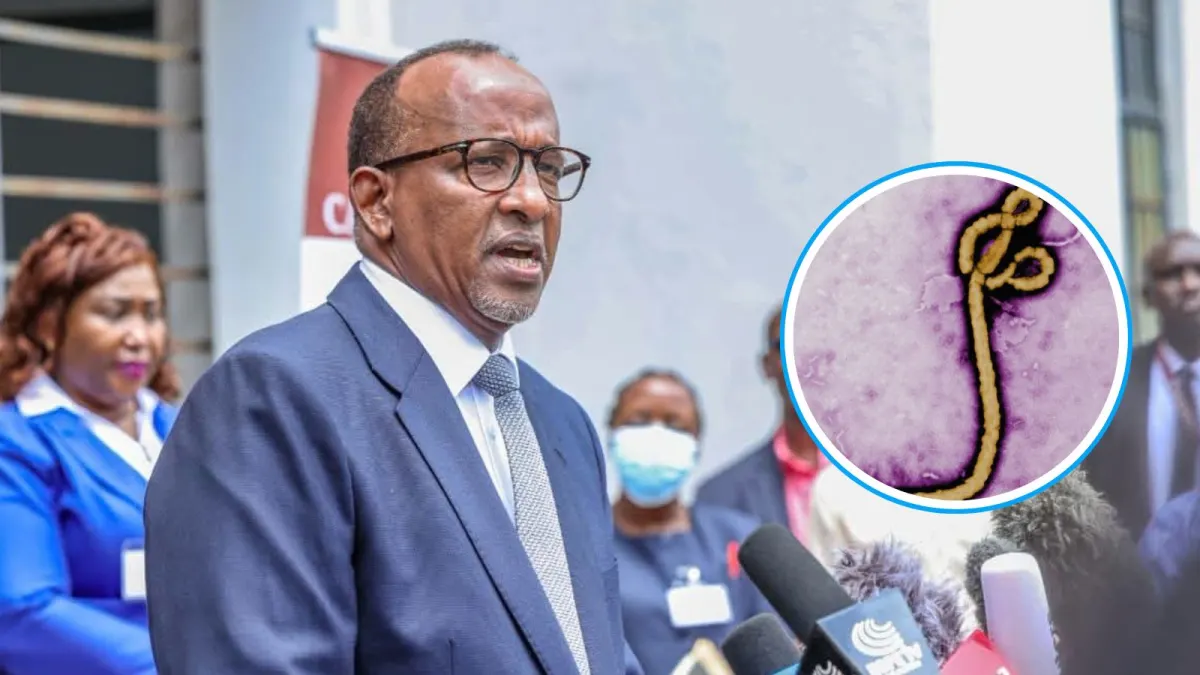
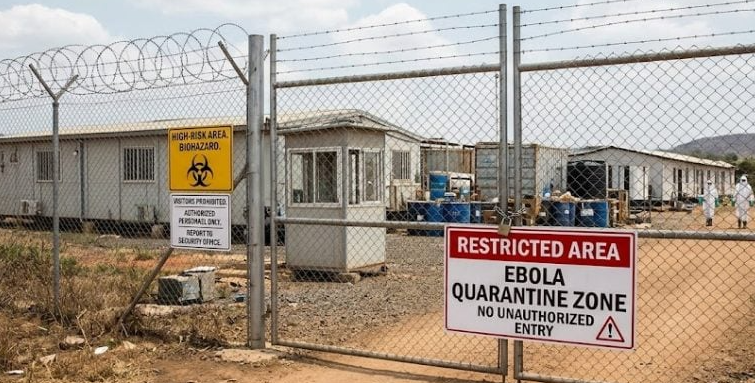
Kenya has identified and verified 122 contacts linked to the country’s first imported Bundibugyo Ebola case, with health authorities reporting that none of those currently under monitoring has developed symptoms.
The Ministry of Health said 108 of the 122 contacts have been placed in quarantine and are being monitored daily as contact tracing continues. The development comes days after Kenya confirmed its first imported case of Bundibugyo virus disease involving a Kenyan citizen who had travelled from the Democratic Republic of Congo (DRC) through Uganda. Citizen
The patient arrived in Nairobi on October 3 after travelling from the DRC to Kampala by road before boarding a flight to Kenya. He was taken to hospital after arrival, where he was isolated and tested. Samples tested positive for Bundibugyo virus at both the National Virology Reference Laboratory and the Kenya Medical Research Institute (KEMRI). The patient later died on October 5. World Health Organization
Since the confirmation of the imported case, Kenyan authorities have intensified surveillance at airports, border crossings and other points of entry.
The Ministry of Health said 667,675 travellers had been screened at 26 points of entry, including 2,345 people screened during the 24 hours preceding the latest update. A total of 293 samples from 289 alerts have also been tested, with no additional Ebola infections reported. The Standard
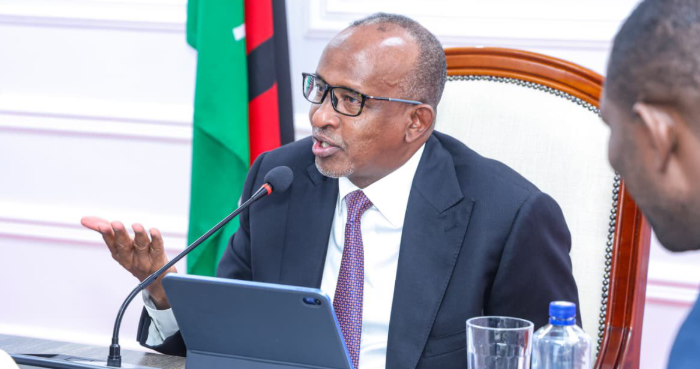
The government has maintained that Kenya is not experiencing an Ebola outbreak, describing the situation as a single imported case while authorities continue surveillance and contact tracing. Health Cabinet Secretary Aden Duale has urged Kenyans to remain vigilant while relying on official information from the Ministry of Health. Ministry of Health Kenya
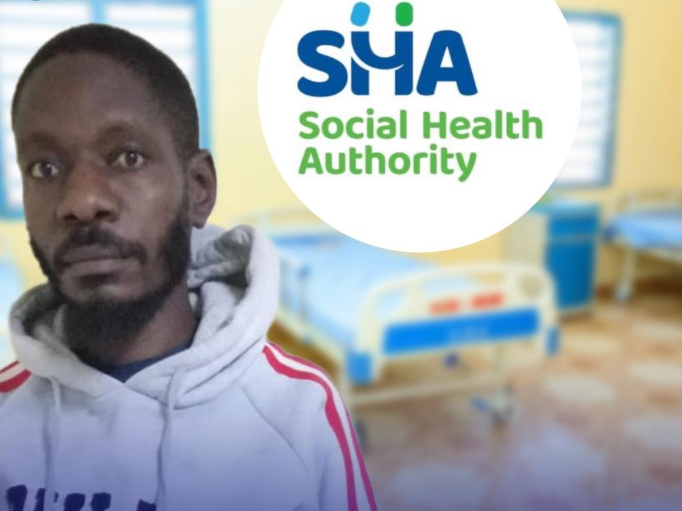
However, questions are emerging over the country’s disease surveillance systems and the reported disabling of a real-time outbreak surveillance module.
The system was developed by the Ministry of Health during the COVID-19 pandemic to help health workers report suspected cases of notifiable diseases and share information with national response teams.
The platform allows clinicians and public health officials to enter information including suspected symptoms, travel history, laboratory results and contact details. Such information can then be accessed by national response teams to facilitate investigations and contact tracing.
Concerns have now been raised over reports that the all-diseases outbreak module was disabled, potentially affecting the speed at which suspected cases and contacts can be reported and followed up.
The system’s reported unavailability has prompted questions about whether health officials have access to the same real-time surveillance tools that were developed to strengthen Kenya’s response to infectious disease emergencies.
Without such a platform, health workers may have to rely more heavily on traditional communication channels between health facilities, sub-county teams, county officials and national authorities.
Public health experts and health workers have expressed concern that delays in sharing information could create gaps in contact tracing, particularly if the number of suspected cases increases.
The Ministry of Health has not publicly provided a detailed explanation for the reported disabling of the system.
At the same time, health workers are calling for greater involvement in the national Ebola preparedness and response structures.
Representatives of healthcare workers say their concern is not primarily about remuneration but about ensuring that frontline personnel understand the government’s preparedness plans and have adequate protection while responding to suspected Ebola cases.
The concern comes as Kenya continues to strengthen its preparedness following the imported case.
The World Health Organization has said Kenya has intensified contact tracing, screening at high-risk points of entry, laboratory preparedness and risk communication following confirmation of the case.
Kenya has also established designated isolation capacity at five facilities, with a combined 241 isolation beds, and has trained thousands of healthcare workers in Ebola prevention and case management. The Standard
The wider regional situation remains a concern because the DRC continues to battle an active Bundibugyo virus outbreak. According to the WHO, the DRC had recorded 8,728 confirmed cases and 4,205 confirmed deaths as of October 6, 2026, with the outbreak continuing to affect several areas. World Health Organization
Kenya’s imported case has therefore increased the importance of border surveillance and rapid identification of suspected infections, particularly because the patient travelled through multiple countries before arriving in Nairobi.
For now, health authorities are continuing to monitor the 122 identified contacts, while 108 remain in quarantine. The absence of symptoms among those being monitored is being treated as a positive development, although authorities will continue following contacts during the required monitoring period.
The Ministry of Health is also urging the public to follow health guidelines and seek medical attention promptly if they develop symptoms or believe they may have been exposed to the virus.
The focus now remains on preventing further transmission, strengthening surveillance and ensuring that any suspected case is identified and investigated as quickly as possible.