Kalonzo Pledges to Revoke KPC Privatization as Ruto Pushes Sh4.5 Trillion Economic Plan


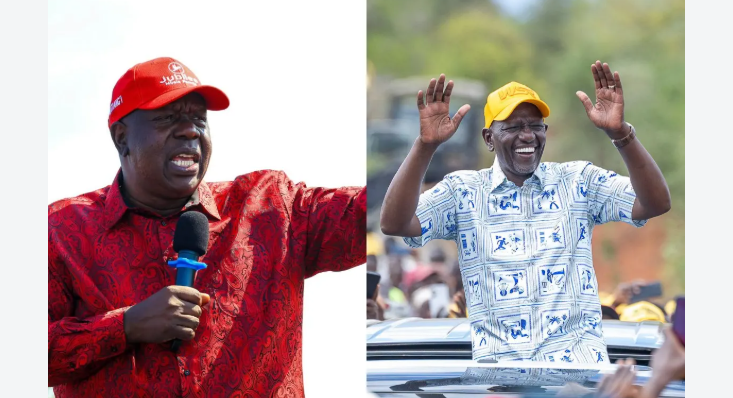
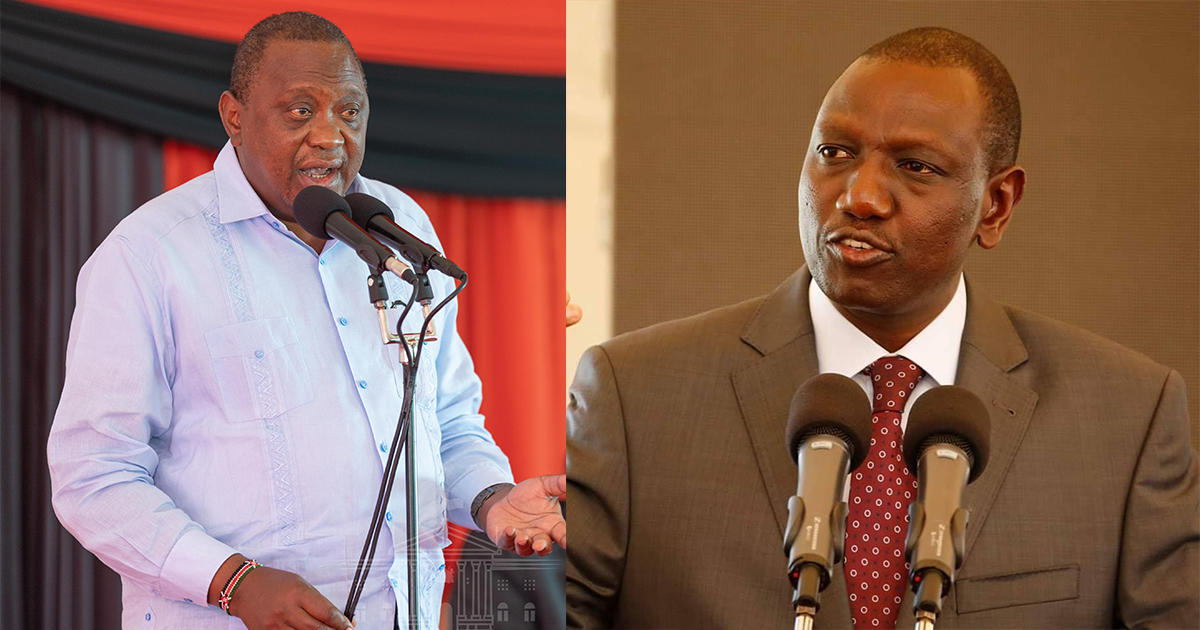
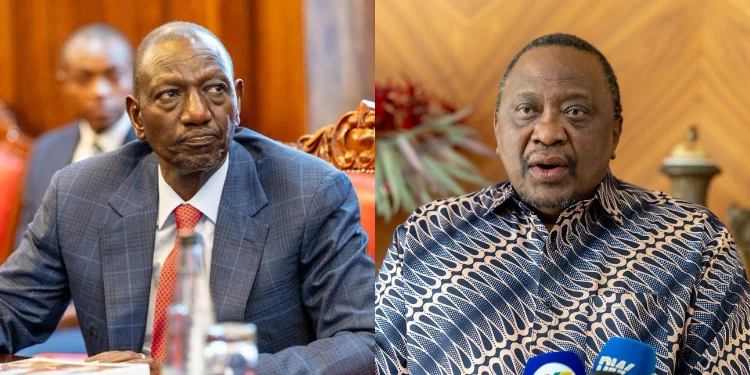
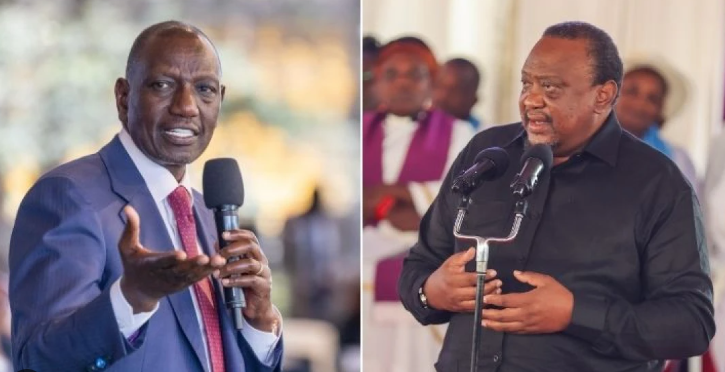
Kenya’s political and economic landscapes clashed on November 11 after opposition leader Kalonzo Musyoka made a highly controversial pledge: to overturn the government’s planned privatization of the profitable Kenya Pipeline Company (KPC) should his United Opposition coalition win the 2027 election.
Musyoka explicitly criticized the sale of the state-owned enterprise, stating:
“There’s no point in selling a profit-making parastatal (Kenya Pipeline). It is a major source of money for the Exchequer. We shall revoke the transaction once we assume office.”
The planned sale of KPC via an Initial Public Offering (IPO) is a cornerstone of President William Ruto’s ambitious Sh4.5 trillion economic blueprint, unveiled just days prior on November 2. The blueprint aims to propel Kenya to first-world status by 2055 through major investments across infrastructure, agriculture, and manufacturing. The KPC IPO is specifically slated to raise a substantial Sh100 billion by March 2026, intended to fund these foundational development projects.
However, the rapid drive to liquidate national assets has met with internal caution and public backlash. Senate Speaker Amason Kingi raised alarm on November 9, cautioning citizens about impending hardships resulting from both these asset sales and necessary tax hikes.
The warnings highlight a deep public anxiety, which is frequently reflected across social media, over the potential loss of economic sovereignty and control over vital national assets. The political standoff pits the government’s need for capital against the opposition’s defense of state ownership and economic control.