Why Khalwale Abandoned UDA and What it Means for Western Kenya’s Political Future


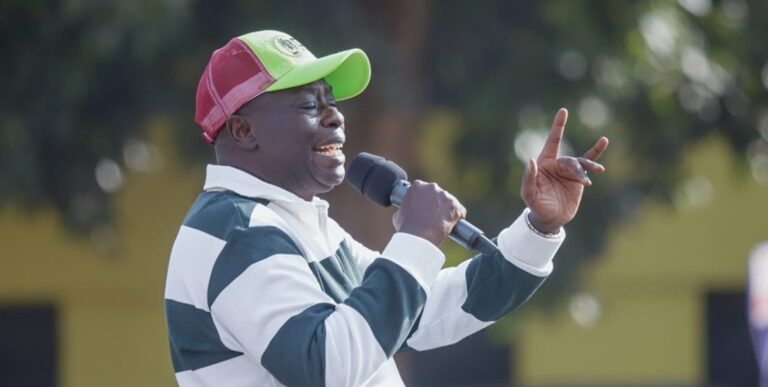
The adage that in politics there are “no permanent enemies or friends, only permanent interests” is currently defining the dramatic actions of Kakamega Senator Boni Khalwale. The Senator has aggressively opened a political battle and enmity with the ruling United Democratic Alliance (UDA) by choosing to step away from President William Ruto’s camp. This move has triggered a significant political shift that is expected to redefine the power dynamics across Western Kenya.
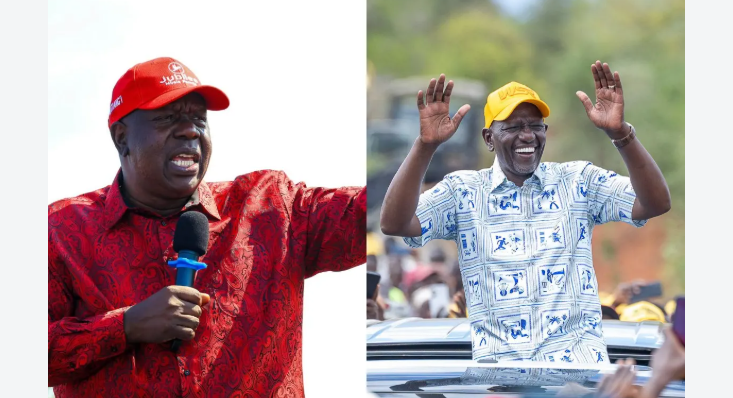
The breaking point came with Khalwale’s open defiance during the Malava by-election, where he campaigned for the rival Democratic Action Party–Kenya (DAP-K) candidate, Seth Panyako, directly opposing the official UDA candidate, David Ndakwa. This act of “gross misconduct” and “disloyalty” led UDA senators to vote for his removal as the Senate Majority Chief Whip, a decision confirmed by Speaker Amason Kingi in early December 2025.
Khalwale’s decision is tied to his future political ambitions, specifically his 2027 Kakamega gubernatorial bid. He confirmed he would not use the UDA ticket, stating the path through the party is “no longer viable”. The Senator cited claims of betrayal and a history of being sidelined, particularly recalling the 2022 gubernatorial race when UDA fronted Cleophas Malala.
His current doubts were amplified after President Ruto publicly praised the sitting governor, Fernandes Barasa (his main political opponent), leading Khalwale to question the President’s support for his candidacy. This political rift has not only provided an opportunity for DAP-K leader Eugene Wamalwa to publicly court Khalwale, but it also signals a larger confrontation within the ruling coalition, transforming the Western region into a critical battleground ahead of the 2027 general election.