Ruto’s Trillion-Shilling Mandate: President Unveils Debt-Free Infrastructure Plan in Pivotal State of the Nation Address


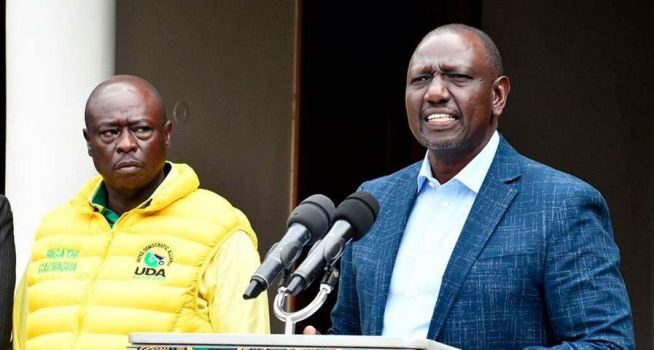
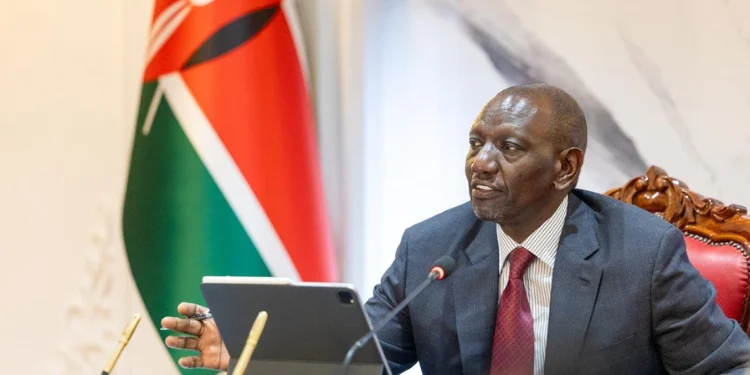
President William Ruto delivered his third State of the Nation Address on November 20, 2025, before a joint sitting of Parliament in Nairobi, seizing the pivotal opportunity to articulate a bold vision for Kenya’s future while simultaneously defending his economic stewardship.
The core of the address was the unveiling of a monumental Sh5 trillion, 10-year infrastructure push, framed by the President as the necessary engine for achieving true Economic Transformation.
In a direct response to persistent national debt concerns, President Ruto emphasized that this massive infrastructure agenda would be financed without recourse to conventional public borrowing. Instead, the initiative will be channeled through a new National Infrastructure Fund and overwhelmingly fueled by private investment. This debt-free funding model is a high-stakes political gamble aimed at silencing critics concerned about Kenya’s ballooning debt-to-GDP ratio.
The targeted projects are designed to reshape the country’s economic landscape:
- Transport: Aggressive road dualling projects.
- Water & Energy: Construction of 50 mega dams and the addition of 10,000 megawatts of power capacity.
- Trade: Significant port upgrades to boost regional commerce.
Prior to launching the infrastructure plan, President Ruto meticulously highlighted achievements under his tenure, citing robust GDP growth that has pushed the economy to $136 billion and the attainment of a record $12 billion in foreign reserves. He also pointed to social advances, including expanded health coverage for 27 million citizens and the recruitment of 76,000 new teachers.
The political reception was mixed but intense. While key government leaders lauded the plan as essential for boosting regional trade and unity, skepticism remains deeply entrenched. Critics swiftly questioned the viability of securing such massive private funding and renewed calls for the administration to ensure that the economic benefits—especially jobs and services—are delivered equitably, not just concentrated in politically favored regions.
The address positioned President Ruto not just as a manager of the economy, but as a political architect willing to undertake generational projects while attempting to shift the national conversation away from fiscal anxiety.