Gladys Wanga: From Fierce Critic to President Ruto’s Key Legislative Architect

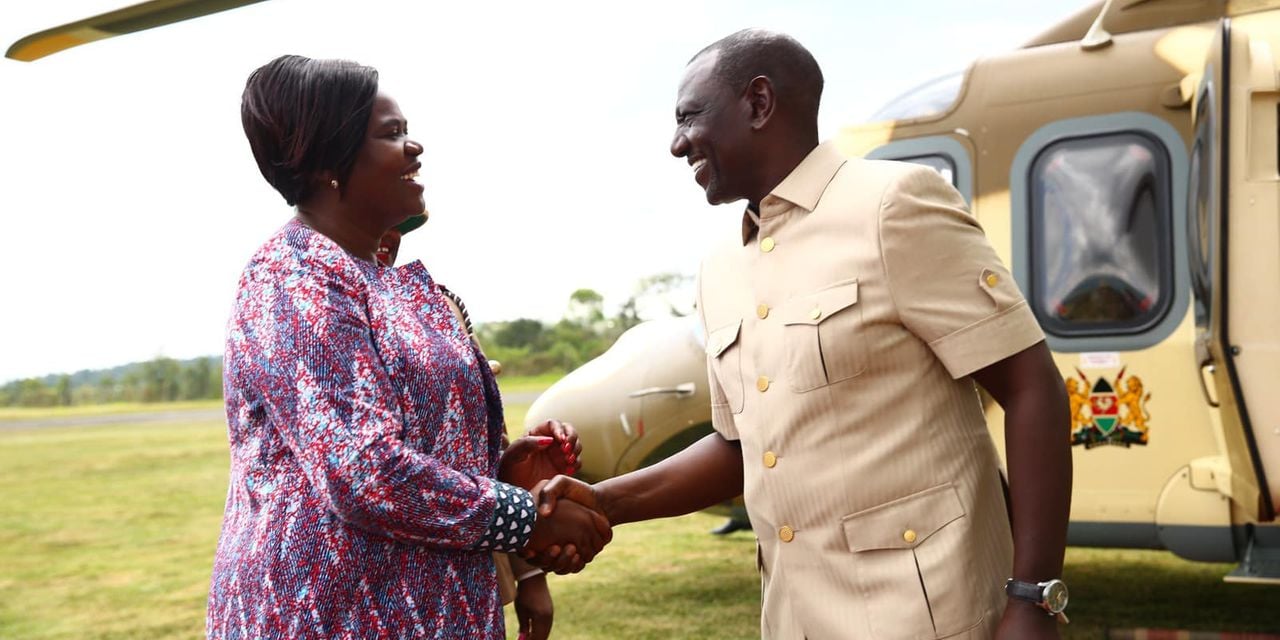
In the high-octane theater of Kenyan politics, few transformations have been as jarring or as strategically fascinating as that of Homa Bay Governor Gladys Wanga. Once known as a “die-hard” loyalist to Raila Odinga and a scorched-earth critic of the Kenya Kwanza administration, Wanga has increasingly found herself labeled as President William Ruto’s “spanner girl”—a colloquialism for a highly effective fixer who handles the heavy lifting of administrative and legislative implementation.
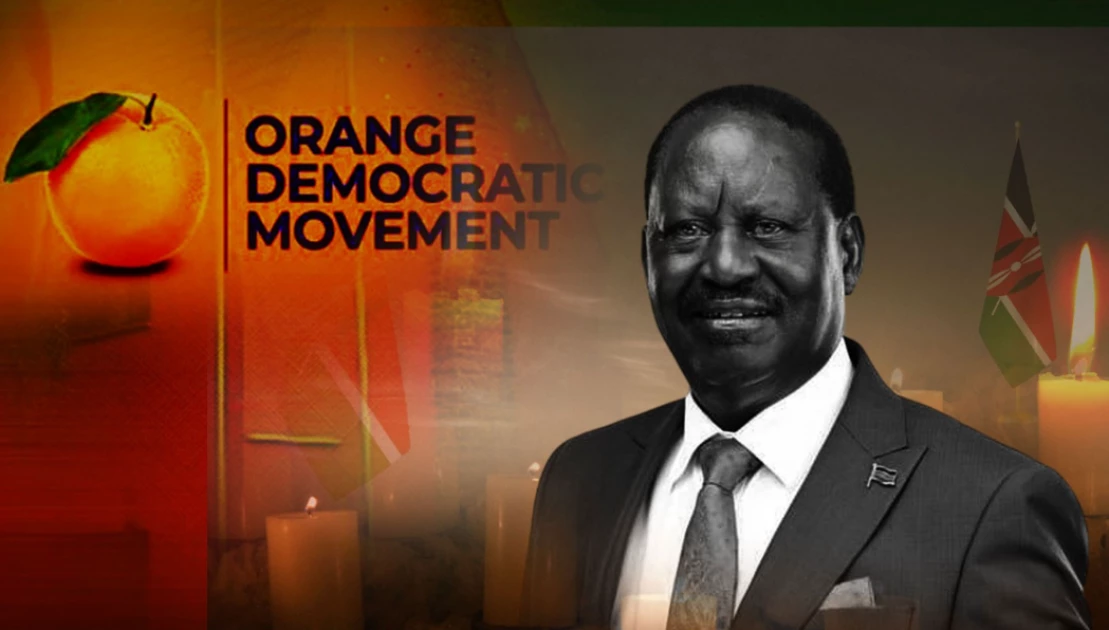
This evolution is not merely a change in rhetoric but a fundamental shift in the political landscape of the Nyanza region. By positioning herself as a primary conduit for the Executive’s agenda, Wanga is navigating a treacherous path between her traditional party base in the Orange Democratic Movement (ODM) and the pragmatic necessity of securing developmental resources from a central government led by a former adversary.
The derogatory “spanner girl” moniker, often deployed by political rivals to suggest a lack of autonomy, obscures a more complex reality. In political circles, a “spanner” is the person who ensures the machinery of government actually works. For President Ruto, Wanga represents a vital bridge to a demographic and a region that has historically been the epicenter of opposition.
Her role in facilitating government projects, participating in high-level state functions, and toning down the anti-government vitriol suggests a strategic alignment. For Wanga, this proximity to power provides the political capital needed to transform Homa Bay County into a “model of devolution,” leveraging national state-backed initiatives in housing, agriculture, and blue economy projects that would be impossible to execute in a state of perpetual confrontation.
As the 2027 general elections loom on the horizon, Wanga’s “fixer” status raises critical questions about the future of the Broad-Based Government. Is she merely a temporary tactical ally, or is she the vanguard of a new political order where regional kingpins prioritize development over ideological purity?
Critics argue that her closeness to State House risks alienating the core ODM voting bloc, which still harbors deep skepticism toward the current administration. However, supporters suggest that Wanga is playing the “long game,” proving her mettle as a national-level administrator who can deliver results regardless of the prevailing political winds. By being the “spanner” that fixes the broken links between the Lake Region and the National Treasury, she may be positioning herself for a significantly higher national office in the coming years.