Ruto Denies State Abductions, Days After Acknowledging Protest Disappearances

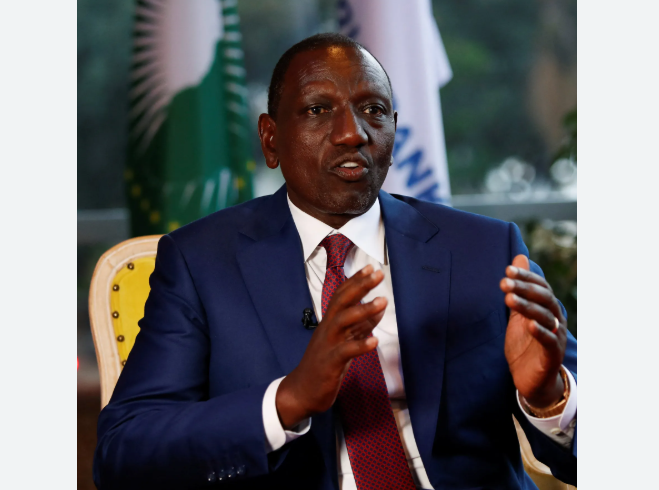
In a high-stakes interview with Al Jazeera, Kenyan President William Ruto aggressively defended his administration against accusations of human rights abuses and political suppression, creating a wave of controversy by directly contradicting his own prior statements.
Since taking office in 2022, Ruto’s regime has faced intense international pressure over alleged state-sponsored abductions and extrajudicial killings. In the Al Jazeera interview, the President flatly denied any government involvement in such activities.
This denial stands in sharp contrast to his own admission just months earlier, in May 2025, when he acknowledged reports of protest-related disappearances. His latest statement has reignited concerns among human rights groups who argue the administration has shown a pattern of repression, particularly targeting activists and critics.
President Ruto also staunchly defended his July 2025 directive instructing police to “shoot looters in the legs” during violent anti-government protests. This order followed demonstrations that tragically left at least 31 people dead and led to over 500 arrests.
The President argued the measure was necessary to protect property and deter violence, despite widespread condemnation that such an order amounts to an endorsement of excessive force and potential police brutality against citizens exercising their right to protest.
Adding an East African diplomatic layer to the interview, Ruto voiced skepticism regarding the results of Tanzania’s October 2025 presidential election. Incumbent Samia Suluhu Hassan was declared the winner with a staggering nearly 98% of the vote.
The overwhelming victory followed opposition boycotts and significant international concerns over the fairness and transparency of the process. Ruto’s public doubt about his neighbor’s election integrity is a notable diplomatic move, particularly given the scrutiny his own administration faces over its handling of domestic dissent.